What happened
Iran and the United States have found a narrow diplomatic opening even as both sides threaten renewed war. After two days of Qatari-mediated talks — in Tehran on Friday and in Qatar on Saturday — Iranian officials said a deal remains possible if their demands are tangibly implemented.
The clearest movement came on the Strait of Hormuz. Tehran shortened the period after which its proposal to partly reopen the strait can take effect, from seven days to two, Foreign Minister Abbas Araghchi told Al Jazeera on Saturday.
At the same time, the threats kept coming. Araghchi said Iran's forces are at their highest level of readiness. "We are prepared for all scenarios," he said. "We have upgraded our weaponry, addressed our vulnerabilities, and tested new arms."
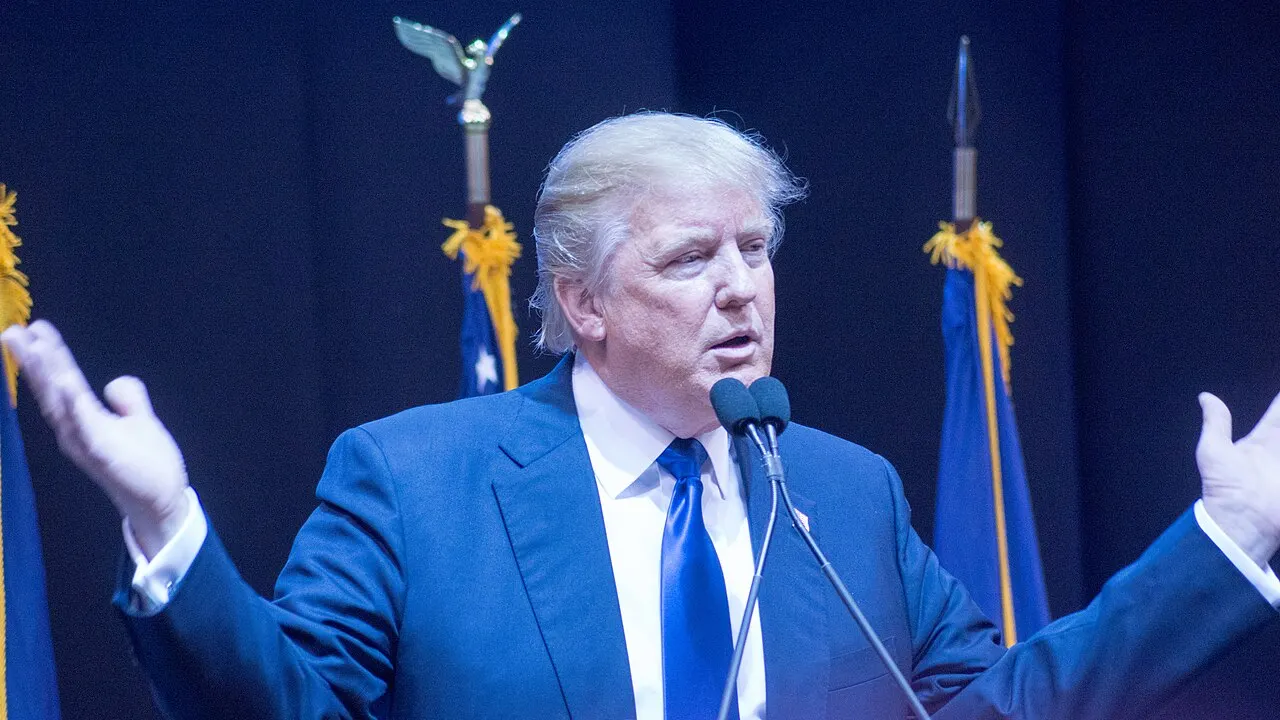
President Donald Trump said on Saturday the talks were going "fine" but added that Iranian authorities were not "reliable". At a Halloween party at his Mar-a-Lago club in Florida, he said of Iran's remaining nuclear sites: "We still have to take care of, I would say, one or two sites, but we can do that in 10 minutes."
Why it matters
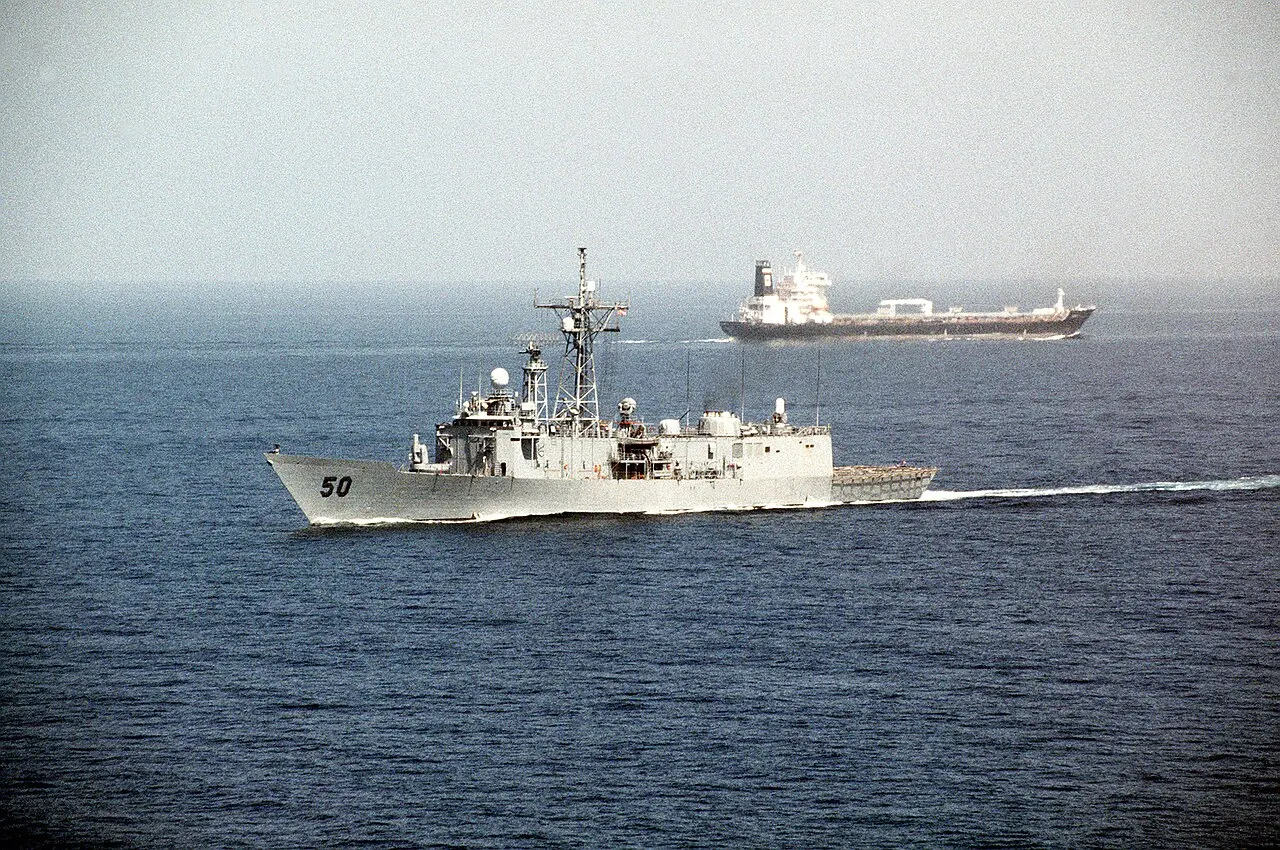
The talks matter because the standoff now runs through the world's most important oil chokepoint. In and around the Strait of Hormuz, vessels that refuse to coordinate with Iran's Persian Gulf Strait Authority keep getting attacked. At least four tankers were hit on Friday and Saturday, according to the report, and the United Kingdom Maritime Trade Operations said a vessel carrying liquefied petroleum gas was struck by three Iranian projectiles on Saturday about 40 nautical miles south of Iran's Lavan Island.
The core problem is sequencing: each side wants the other to move first. Negar Mortazavi, a senior fellow with the Center for International Policy, said there are indications of US interest in a settlement, but "Iran is seeking a series of concessions while the United States insists on progress on Iran's nuclear programme before concessions are made." Hamidreza Azizi of the International Crisis Group said the two-day offer gives both sides a possible early win without resolving their deeper disagreements.
For background on how these talks got here, see our [earlier explainer on the US-Iran talks](/article/us-iran-talks-explained). The pressure on Tehran is severe: a US Treasury report publicised by Axios said no new oil had been loaded onto tankers at Iran's terminals since August 25, overseas crude deliveries were down, and year-on-year inflation neared 90 percent in September. The report called Iran's economy "crippled" but not close to collapsing.
What it means for the US
For American readers, this is not a distant standoff. Iran's Supreme Leader Mojtaba Khamenei met top military commanders on Saturday and demanded "maximum deterrence", with a response "without geographical restriction" to any threat. Iranian officials have said targets would include "tangible and intangible" US and Israeli assets, and have previously warned that seabed cables and regional infrastructure could be hit if Iran's civilian infrastructure is attacked again.
The timing is tied to the US election calendar. Trump has suggested a new attack could come after the November 3 midterm elections, as he wrapped up his [final campaign rallies](/article/trump-final-midterm-rallies-nostalgic-nov-3-vote). And the Hormuz route itself hits American wallets: any disruption to tanker traffic through the strait ripples into global oil prices, which feed straight into US gas prices.
What happens next
The next move sits with Tehran's security chief, Mohsen Rezaei. He told state television on Saturday night that Iran wants the US to lift its naval blockade, issue waivers for oil sanctions, unfreeze Iranian assets abroad, stop fighting on all regional fronts including Lebanon, and recognise a bilateral Iran-Oman arrangement for Hormuz. He has not yet replied to a letter from Vice President JD Vance, though he called its change in tone "positive".
Tehran-based analyst Mostafa Najafi warned that if the conditions are not met, the letter will likely go unanswered and negotiations, including on the nuclear programme, will not move to a higher level. Meanwhile Iran is preparing for the war option too: state media aired footage on Sunday of missiles and drones being moved out of underground storage, and passive defence chief Gholamreza Jalali said officials have identified 14 electricity-dependent sectors that would need support if the power grid is attacked.