What happened
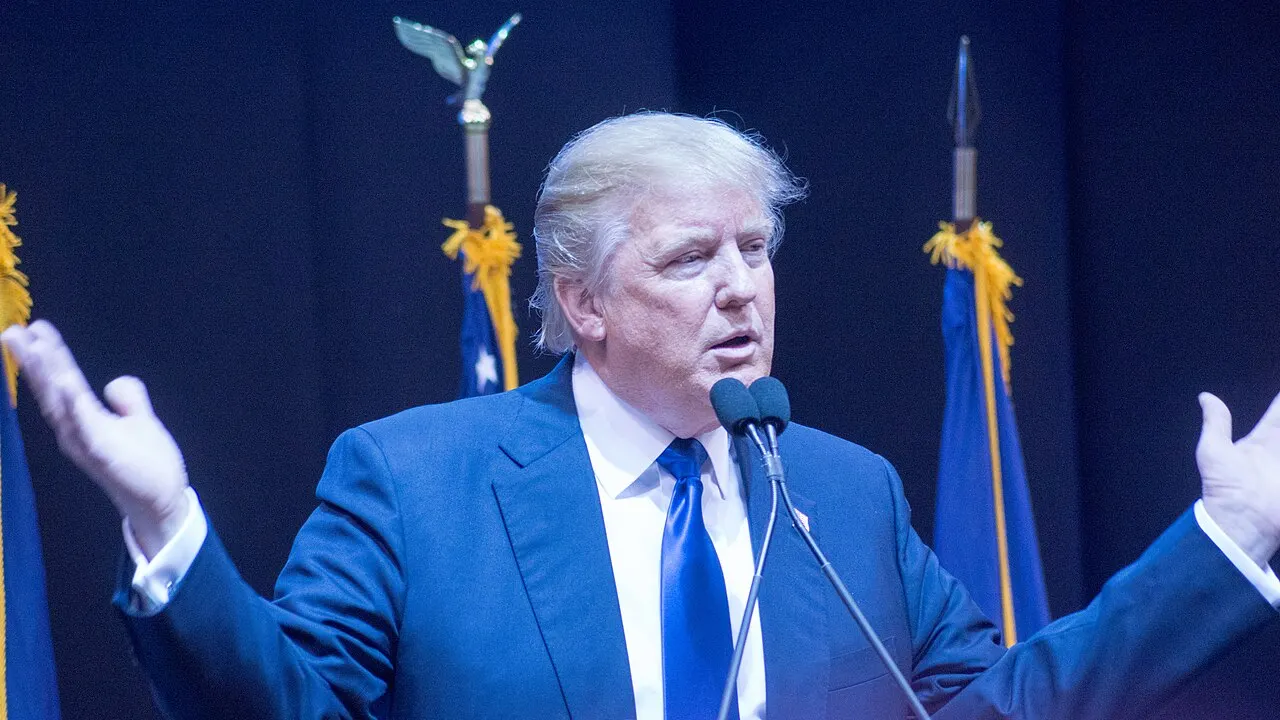
President Donald Trump is wrapping up his midterm campaign tour in a reflective mood. After more than 25 rallies in October alone, mostly in Republican-leaning states, his final stops have sounded less like a standard get-out-the-vote push and more like a farewell to the rally stage itself.
The tour's closing stretch ran through South Carolina, North Carolina, Texas, Ohio and Florida, according to NPR. Trump spoke in Rock Hill, South Carolina, on October 29, in Greenville, North Carolina, on October 20, and in Fort Myers and Daytona Beach, Florida, on October 30. In Daytona Beach, which was billed as what would have been his last rally, he told the crowd he thought that was it and that he could finally relax.
His central pitch has been blunt. Since he will not be on the ballot again, Trump has asked voters to act as if he were. "Please pretend I'm on the ballot," he told supporters, arguing that his opponents want to undo what he calls his major achievements, including tax cuts and border enforcement.
The closing days have featured dueling appearances from Trump and former President Barack Obama in battleground states, as both parties make their final case before Tuesday. Trump has used the rallies to boost Republican Senate candidates he personally backed, including Darline Graham in South Carolina and Michael Whatley in North Carolina. NPR reports both have struggled to excite Republican voters. He also campaigned for Ohio Sen. Jon Husted and Texas Senate candidate Ken Paxton.
The rallies have kept their familiar trademarks: long speeches, shout-outs to loyal front-row regulars, and the Air Force One flyover that opened the Greenville night. Blake Marnell of San Diego, known to Trump as "Mr. Wall" for his brick-pattern suit, told NPR he took October off expecting a handful of rallies and instead found himself going from rally to rally. Cindy New of Emerald Isle, North Carolina, said she had voted for Trump three times but had never seen him live, and came to Greenville because she wanted to see him once while she still could.
Why it matters
The stakes on Tuesday are control of Congress, and with it the fate of Trump's second-term agenda. A Republican House and Senate would keep his tax cuts, tariffs and border policies moving. A Democratic takeover of either chamber would stall that agenda and give his opponents new power to block legislation and open investigations.
Affordability has been the sharpest issue of the campaign, and Trump has tried to answer it with a promise: a $5,000 "Trump dividend" for every American adult if Republicans win the House and Senate. At Mar-a-Lago, he joked that $5,000 would buy a guest at most a hamburger and maybe a small dessert, adding that the resort is not a great place for the cost-conscious. NPR describes the closing message as unconventional at best, and possibly unhelpful to the very candidates he is trying to elect.
The tour also matters because of what comes after it. Trump has been the center of Republican politics for more than a decade, and these rallies may be the last of their kind for a midterm cycle. Marnell told NPR he is certain Trump will hold more rallies ahead of the 2028 presidential election, but said these midterm rallies have felt different from the ones when Trump himself was on the ballot.
What it means for the US
For American voters, the tour is a reminder that Tuesday's vote is about more than individual candidates. The outcome will decide whether Trump's economic program, including tariffs he credits with making the country rich, continues unchecked or faces a new check in Congress. It will also shape the cost-of-living debate: the $5,000 dividend idea, the tariff policy behind it, and the tax cuts Trump is defending are all on the ballot in effect, even though his name is not.
The rallies also show where Republicans feel most exposed. Trump spent his final weeks largely in red states, a sign that the party is working to shore up its own base rather than only chasing swing voters. With tens of millions of Americans having already voted early, according to [earlier RoboVez coverage of the early-voting surge](/article/democrats-lead-8-points-43-million-vote-early-midterms), the closing rallies are aimed at the voters who have not yet cast a ballot.
What happens next
Trump's schedule is not quite finished. The Republican National Committee announced on Thursday that two weekend rallies planned for Iowa and Kansas would be canceled in favor of tele-rallies. Less than 24 hours later, the in-person rallies were back on, scheduled back-to-back for Sunday in Kansas and Iowa, alongside nearly 20 tele-rallies.
After that, all attention turns to Election Day on Tuesday, November 3. Trump closed his Corpus Christi rally with a simple instruction to his supporters: "Let's win on November 3rd." Results from the key Senate races he campaigned in, including South Carolina, North Carolina, Ohio and Texas, will show whether his farewell tour helped the candidates he picked, or whether voters wanted something different.