What happened
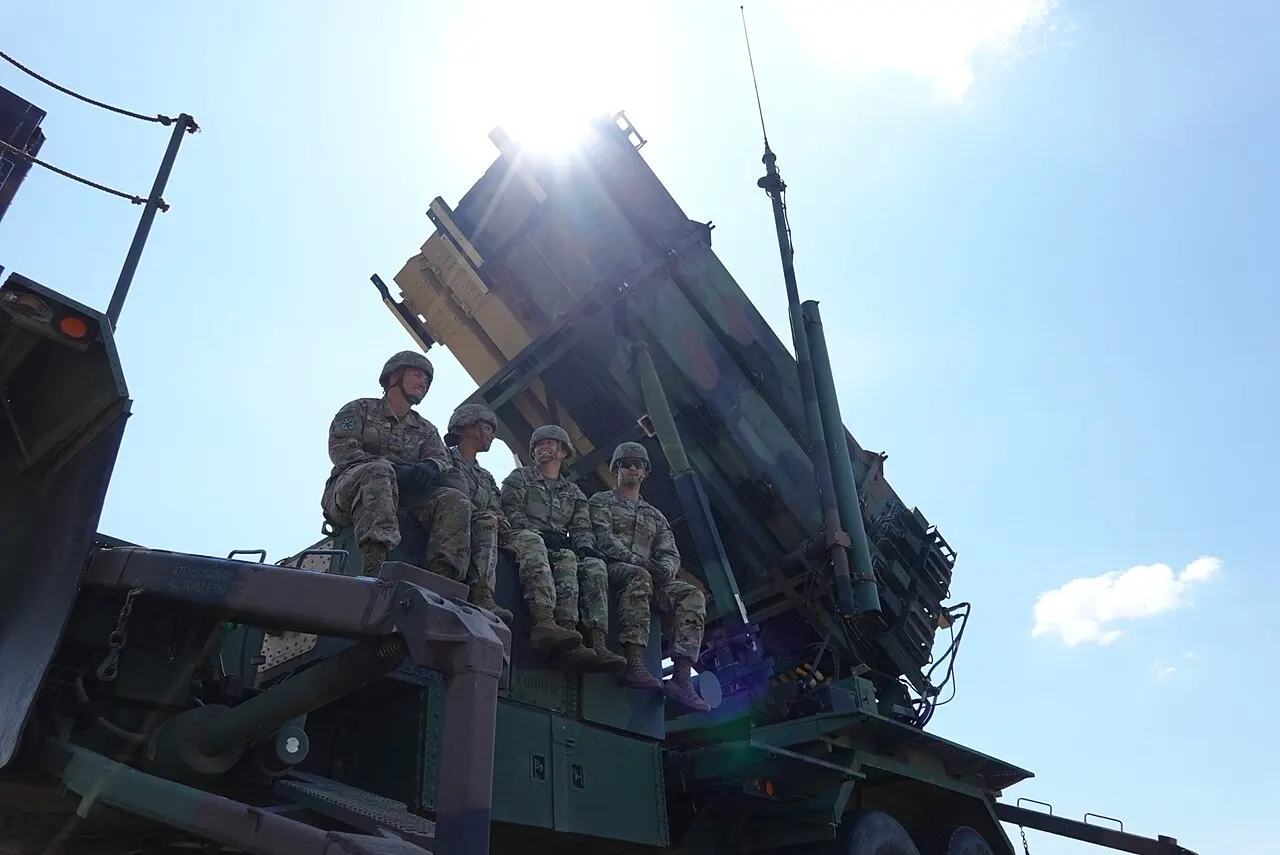
The United States has approved the sale of 500 Patriot missiles to Ukraine, the State Department said on Friday. The PAC-3 interceptor missiles, the only weapon in Ukraine's arsenal that can reliably shoot down Russian ballistic missiles, will cost $2.1 billion.
There is a catch, and it is a big one. Ukrainian President Volodymyr Zelensky warned the deliveries could take "several years" to arrive. The order is for newly built missiles, not stock already sitting in American warehouses, and global supplies are stretched thin.
The sale will be paid for entirely by Ukraine's allies, not by US taxpayers. The State Department said Ukraine will pay with donations from Canada, Germany and Norway through a program called JUMPSTART, plus national funds financed by the European Union's Ukraine Support Loan. Lockheed Martin, the American company that builds the Patriot system, is the principal contractor. The statement stressed that "no US funds are involved in this sale."
Why it matters
Timing is everything here. Russia has intensified its attacks on Ukraine's energy grid ahead of winter, with Zelensky saying more than 30 Russian strikes hit critical parts of the power network in the past two weeks alone. On Saturday morning he reported around 200,000 households in the Dnipro region and at least 80,000 in the Kyiv region were without electricity after Russian strikes on Friday night, accusing Moscow of "deliberately targeting civilian infrastructure every day."
Kyiv has been running critically low on interceptors. Zelensky said earlier this week that Ukraine had waited almost a month for Washington to sign off on the missile supplies. In a post on X late on Friday, he welcomed the announcement but said Ukraine needed the Patriot missiles "right now."
The shortage is not just Ukraine's problem. The BBC reports a global shortfall in the munitions, driven in part by their use by the US in its war against Iran. Production is slow: the US Department of Defense says only 600 Patriot missiles are produced per year. That math is why a 500-missile order, even approved today, will not change the battlefield tomorrow.
The approval also follows a rocky stretch in US-Ukraine relations. Earlier this month, Zelensky and President Donald Trump clashed after Washington eased sanctions on Russia as part of a deal to secure Russian diesel, and Trump said it was time for Ukraine to get a new leader to strike a deal to end the war. Tensions eased after Zelensky held talks with US envoys in Oslo on October 20. The missile approval is the clearest sign yet that the relationship is back on working terms, even if the deliveries are not.
The diplomatic backdrop was on display at the G20 foreign ministers' meeting in Atlanta, hosted by US Secretary of State Marco Rubio, where European diplomats refused to stand for the official photograph in protest at the presence of Russian Foreign Minister Sergei Lavrov. Britain's Foreign Secretary Ed Miliband told Lavrov directly: "We all know who the aggressor in this war is."
What it means for the US
For American readers, this sale threads a needle the Trump administration has been trying to thread all year: supporting Ukraine's defense without spending American money. The allies-pay model, already used for earlier weapons packages, lets Washington keep the flow of arms going while telling voters at home that no US funds are involved.
It also matters for American jobs and factories. Lockheed Martin builds the Patriot system in the United States, so a $2.1 billion order funded by allies is, in effect, export business for American defense manufacturing. But the same production bottleneck that delays Ukraine's deliveries also limits how fast the US can rebuild its own stocks, which were drawn down in the war against Iran.
And the politics are not abstract. The sale lands four days before the midterm elections, in which voters have repeatedly told pollsters they want the Ukraine war ended, not expanded. Approving a major arms package days before the vote signals that the administration's position is armed support for Kyiv, paid for by Europe, rather than a cutoff.
What happens next
The immediate question is the production schedule, which the State Department has not published. Watch for Lockheed Martin's delivery timeline and whether any missiles can be diverted from existing orders to speed up the first shipments.
Watch, too, whether Russia's winter campaign against Ukraine's power grid escalates further. If blackouts widen, pressure will grow on Washington and its allies to find interceptors faster, including from other countries' Patriot stocks.
The longer question is the one that has stalled every peace effort so far: whether arms, sanctions and diplomacy together can force a settlement. Our explainer on [why the Russia-Ukraine peace talks keep stalling](/article/russia-ukraine-peace-talks-explained) tracks that deadlock. For now, the missiles are approved, the money is lined up, and the wait begins.