What happened
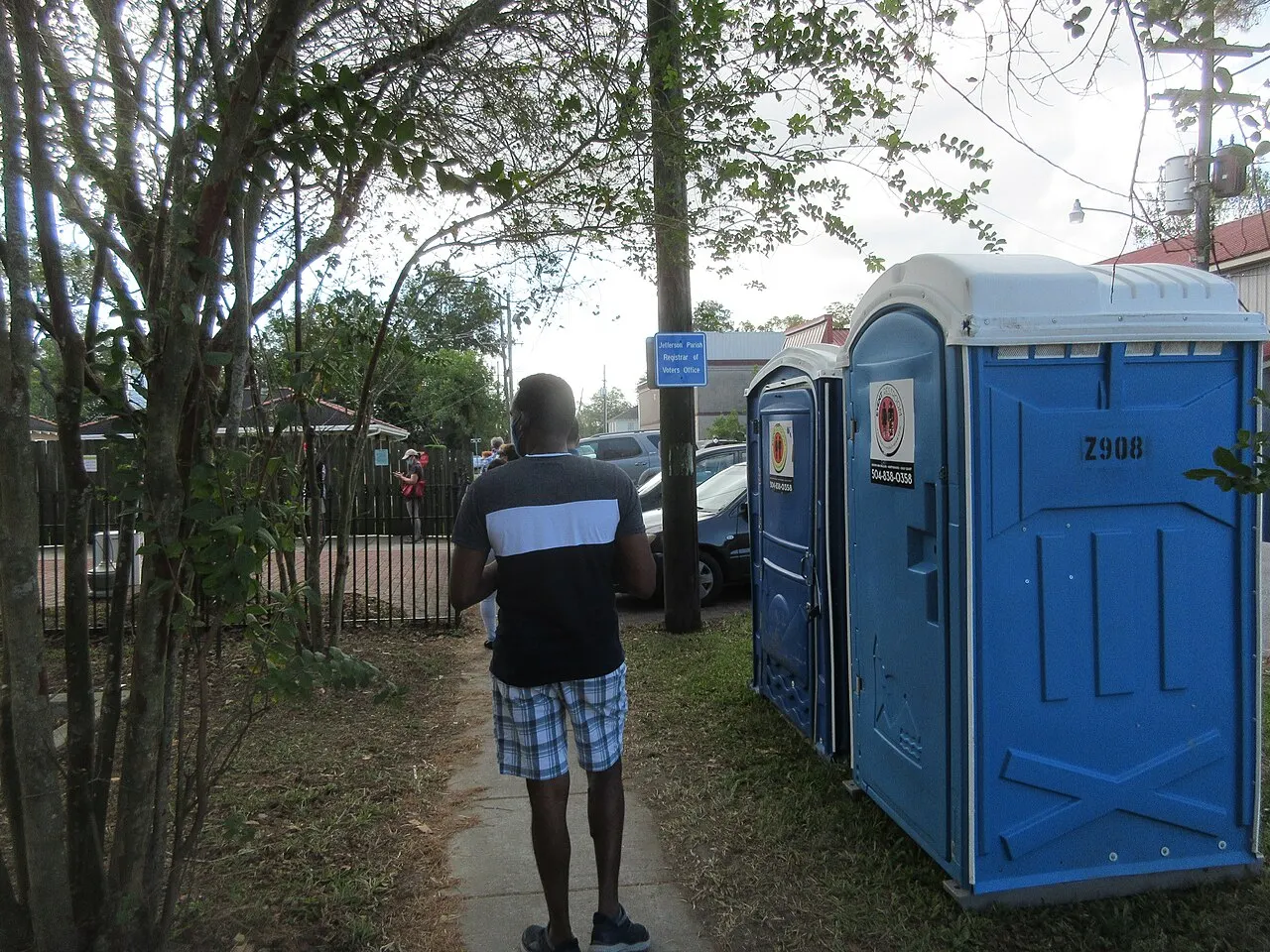
More than 43 million Americans have already voted in the 2026 midterm elections, with less than a week to go before Election Day on Tuesday, November 3. Data from the University of Florida Election Lab shows four to five million early votes coming in each day, a pace well above most previous elections.
Texas is driving the surge. The state has already passed its entire 2022 early-vote total by about 1.75 million voters, with more than 5.8 million ballots cast so far. Texas has emerged as a key battleground that could decide which party controls the Senate for the rest of Donald Trump's presidency.
The party breakdown, from the roughly half of states that require voters to register an affiliation, shows 44% of early ballots cast by Democrats, 31.2% by Republicans, and 24.7% by voters with no party affiliation. Professor Mike McDonald, who runs the Election Lab database, says Democratic early voting is up while Republican numbers are generally similar to 2022, and voting by unaffiliated voters is up too. The data does not show which candidates those voters chose.
Turnout among Hispanic and Black voters is also running higher than usual in the three states that record race at registration: North Carolina, Georgia and Florida. White turnout is on par with 2022. In Texas, which does not record party or race, some border counties that are more than 90% Hispanic are on course to beat their full 2022 turnout on early votes alone.
Why it matters
Overall turnout appears on track to outpace 2020, and possibly even 2018, which beat the 1914 record for a midterm election. That is a big deal because these midterms decide which party controls Congress for the next two years, and [what is at stake on November 3](/article/us-midterm-elections-2026-explained) goes well beyond any single race.
Early voting has boomed since the Covid pandemic, when more states expanded in-person and mail options. In 2020, more than two-thirds of all ballots were cast early, and half of those early votes came by mail. This time voters are leaning toward voting in person even when they vote early, and they are returning their ballots earlier than in previous elections.
McDonald says one possible reason is concern about postal voting. Mail ballots are more likely to be thrown out over errors, and some voters worry about interference with the US Postal Service. He stresses there is no data proving that is the cause. The records are already falling locally: Minneapolis said on Thursday it had set an early-voting record for a non-presidential election.
What it means for the US
A surge this large, this early, points to a high-turnout election, and high turnout changes who wins close races. Texas is the clearest example: a state that could tip control of the Senate is already voting at a pace far beyond 2022.
The shape of the early vote matters for both campaigns' final push. Democrats are banking early votes at a higher rate than in 2022, while Republicans are holding roughly steady, but early votes are not results. Nearly a quarter of early ballots so far come from voters with no party affiliation, which leaves plenty still to play for. Recent polling has shown [Democrats holding a midterm edge, with warning signs underneath](/article/new-poll-democrats-hold-midterm-edge-warning-signs).
For ordinary voters, the practical point is timing. Early voting windows are closing state by state in the days before November 3, so anyone planning to vote early should check their state's cutoff now.
What happens next
Early voting will taper off as states close their early-voting periods ahead of Election Day on Tuesday, November 3. The full picture will only be clear once polls close and ballots, including mail ballots still in transit, are counted.
The closing days have already seen [Obama and Trump trading blows on the campaign trail in Georgia and Ohio](/article/obama-trump-trade-blows-georgia-ohio-midterms). Expect both parties to spend the final weekend chasing the voters who have not cast a ballot yet, especially in the states where control of Congress will be decided.