What happened
Nvidia's sales doubled to $115.8 billion in a single quarter, the first time the chipmaker has passed $100 billion — and the board used the moment to close the door on its ousted co-founder.
The results, covering the three months to October 25, showed profit doubling to $65 billion from a year earlier. Revenue from data centres, the heart of Nvidia's artificial intelligence business, also doubled, reaching $107 billion. Shares rose almost 4% in after-hours trading.
It was Nvidia's first earnings report since Jensen Huang's sudden exit. Chair Harvey Jones told financial analysts on Tuesday that the board does not intend to reinstate him, hours after Huang said he would be honoured to return and lead the company again.
Huang quit after two alleged extramarital affairs, one involving a woman suspected of spying for China. Interim chief executive Colette Kress told investors the company is carrying on as normal, saying its partners and suppliers are fully behind it.
Why it matters
The numbers answer the biggest question hanging over Nvidia since Huang left: whether the AI boom that made it the world's most valuable chipmaker is still intact. Analysts had been unsure the company would even offer forward guidance, given the turmoil at the top. Instead it forecast revenue growth of another 13% next quarter.
Daniela Hathorn, a senior analyst at trading platform Capital.com, said the results offer a strong answer to concerns that demand for AI infrastructure is cooling, and ease the immediate worry that Huang was irreplaceable as a leader.
The harder question, she said, is whether Nvidia can hold on to the strategic edge Huang built. Orders already committed are unlikely to change, but his exit could matter more when the company makes its next round of decisions on products, partnerships and investment.
That is the test for Kress and the board. Kress stressed that the leadership team has worked seamlessly through the past week and that demand is still accelerating. The market, for now, believes her.
What it means for the US
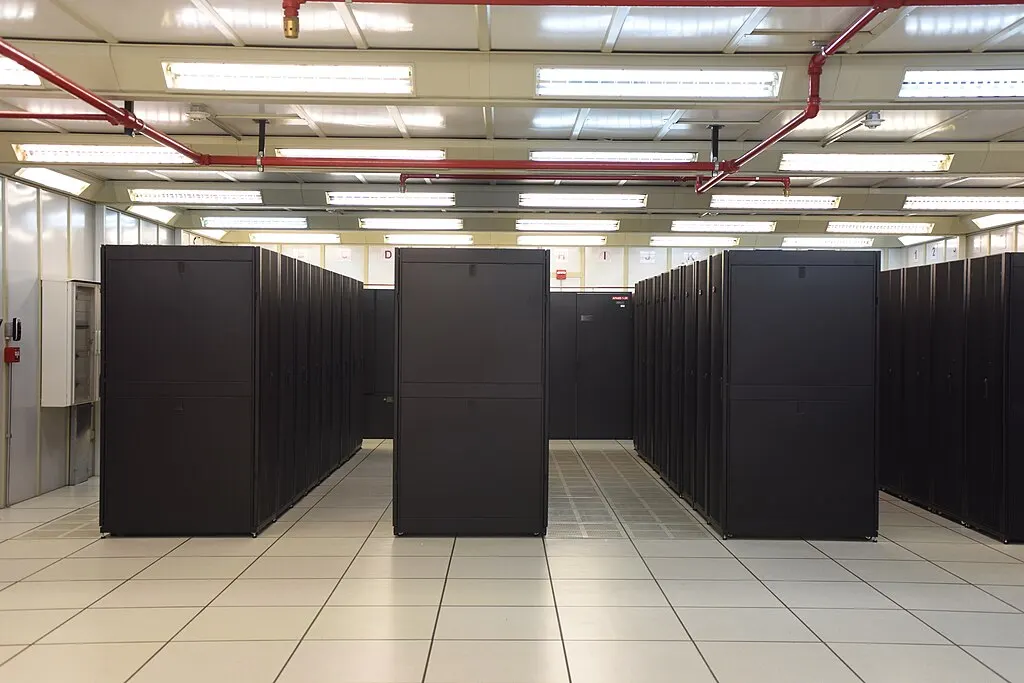
Nvidia sits at the centre of the American AI buildout. Its chips power the data centres US companies are racing to build, and its fate shapes how much of that buildout stays on American terms.
The leadership question also runs straight into national security. Jones said the next chief executive will have to navigate the advanced-technology and national-security dynamics in the marketplace, a reference to the export controls and investigations now surrounding US chips and China. The US government has confirmed an investigation into tech firm [Megaspeed](/article/us-confirms-megaspeed-investigation-nvidia-chips-china), while Congress is moving to tighten [AI chip export rules](/article/congress-tighten-ai-chip-export-rules-china-nvidia).
For US readers, the practical read is steady for now: the company that supplies the hardware behind American AI says demand is still growing, and it expects to keep growing next quarter.
What happens next
Nvidia is working with an executive search firm to find a permanent chief executive, considering internal and external candidates. Jones said the search will be thorough and that the board will not rush it.
The investigation into Huang's conduct is still running, and some investors are not ready to move on. Michael Monaghan of Founder ETFs told the BBC he wants Huang back, and that he is waiting for a thorough investigation rather than relying on what he called salacious allegations in the media.
Monaghan's argument is that the strong earnings come from the machine Huang built, and that companies tend to lose their shine and vision after an iconic founder leaves. The board's answer, for now, is that the machine runs without him. The next earnings report — and the choice of a permanent chief — will show whether it is right.