What happened
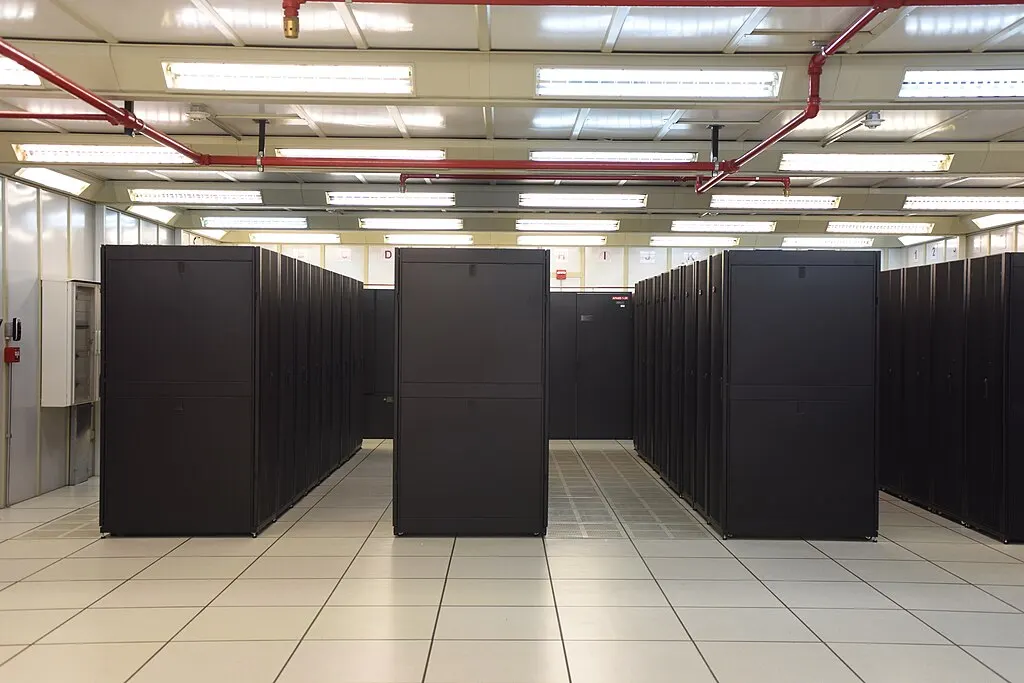
President Donald Trump used his stop in the Philippines this week to push a US-led plan for a vast chip and data-center hub at the former Clark Air Base, a 1,620-hectare (4,000-acre) site that would hold semiconductor factories, plants to process critical minerals, and data centers under the Pax Silica initiative.
Trump landed in Manila on Tuesday [as part of his Asia trip](/article/trump-arrives-philippines-asia-trip-asean) and held a bilateral meeting with President Ferdinand R. Marcos Jr. on Wednesday before flying to Shenzhen for a summit with China's Xi Jinping and Russia's Vladimir Putin. Philippine and US officials are expected to sign a framework agreement by the end of the year for the jointly developed Pax Silica Economic Security Zone, which the Philippines' Bases Conversion and Development Authority (BCDA) is overseeing.
Pax Silica is a US-led initiative to secure the chips and critical minerals that power the AI boom. At least two dozen countries have signed on, and Trump was expected to press more to join during the trip. Details of the Clark plan remain thin. The BCDA says it has spoken with around 30 companies, but it cannot name them because of nondisclosure agreements.
The agency expects the site to bring in close to $1 billion in lease income over its first 25 years, and it estimates the hub could create up to 190,000 direct jobs. Under Philippine law, only citizens can own private land, but the BCDA can offer foreign developers leases lasting as long as 99 years.
Why it matters
The plan shows how the race to build AI infrastructure is moving beyond US borders. Data centers and chip plants need huge amounts of power, land, and water, and opposition to new projects in American communities has grown. The Philippines offer is, in effect, an answer: build the factories and server farms where the land is available and the government is willing.
But the project has already drawn protests. Outside the airport in Manila, demonstrators carried signs reading "Trump out" and "Reject Pax Silica." Human rights advocates warn the hub could displace Indigenous residents and small farmers around Clark. Petronila Capiz-Muñoz, chieftain of the Aeta Hungey tribe, told Human Rights Watch that BCDA officials have said residents must relocate by December. The tribe has sought official recognition of its ancestral domain in the area since 1994 without success, which lets the BCDA say the hub sits "outside titled ancestral domains." Lian Buan, a Southeast Asia researcher at Human Rights Watch, said small farmers also fear being pushed off their land.
The companies the Philippines hopes to attract are the biggest names in chips. The BCDA said in September that it wanted to invite Nvidia, TSMC, and Apple, though it said most of the firms in talks so far are high-tech manufacturers, with only one or two data-center developers expressing interest. An American energy company is also studying whether to build a liquefied natural gas line and plant to feed the hub's power demand.
What it means for the US
For American readers, the hub is a direct extension of the chip contest with China. Pax Silica's stated goal is to insulate the United States from China's dominance in making semiconductors and processing the critical minerals that go into them. If the Clark hub works, some of the chips and server capacity that US AI companies need would come from a US ally instead of a rival's supply chain. The US has already moved to [close loopholes that let China access advanced AI chips remotely](/article/us-closes-loophole-china-remote-access-ai-chips), and Washington is [investigating how Nvidia chips reached China](/article/us-confirms-megaspeed-investigation-nvidia-chips-china) through intermediaries.
It also shows where the political fight over data centers is heading. When communities in the US push back against new server farms, the industry does not stop building. It looks abroad. That shifts jobs, power demand, and environmental costs to countries like the Philippines, while the AI services the hardware enables keep flowing back to American users.
What happens next
The next marker is the framework agreement, expected before the end of the year. After that, the test will be whether named companies actually commit. So far the BCDA has spoken of about 30 interested firms under nondisclosure agreements but has not announced a single tenant. The relocation question is more immediate. Residents say they have been told to move by December, and rights groups are watching whether the government follows through before any construction begins.