What happened
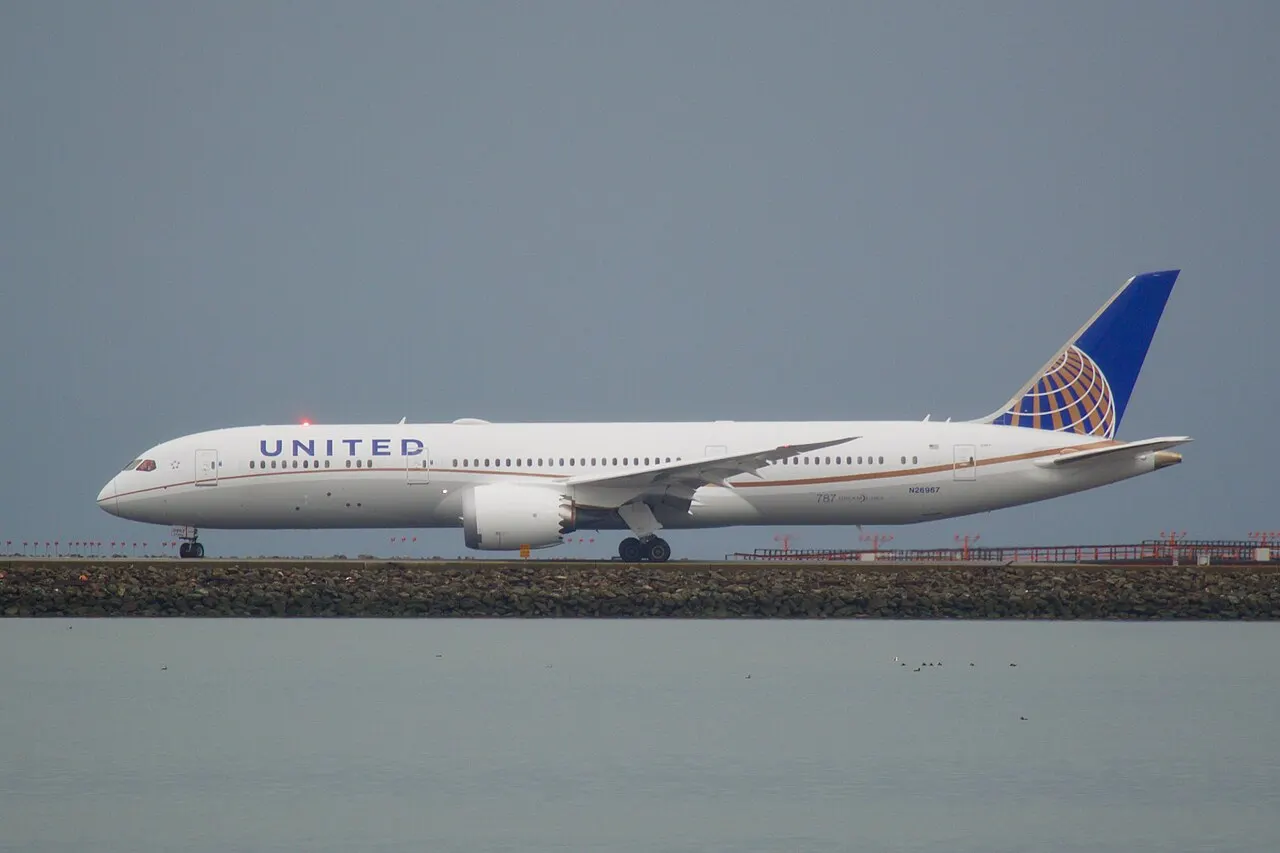
United Airlines said it will block third-party AI agents from booking flights and managing reservations on behalf of customers. The airline announced the move in a statement on November 11, 2026, citing cybersecurity risks and federal aviation rules.
The restrictions will apply directly within United's own digital platforms and indirectly through travel agencies and aggregators. United said the work includes updates to its booking, ticketing and distribution policies.
The airline warned that sharing account credentials with personal, third-party AI assistants can expose sensitive information. Actions taken by these tools may result in unintended purchases, account changes, or use of MileagePlus miles, United said.
Why it matters
AI assistants are now booking, shopping and planning on behalf of millions of people. [OpenAI's quarterly revenue crossed $10 billion for the first time](/article/openai-quarterly-revenue-crosses-10-billion), and [Apple is racing to turn Siri into a full AI agent](/article/apple-races-to-make-siri-ai-agent). Airlines and banks are struggling to tell a real customer apart from software acting in that customer's name, especially when users hand over their logins.
The problem is not theoretical. United said automated actions can trigger purchases and account changes the customer never approved. Banks flagged the same risk first: Bank of America warned customers last week not to share passwords with AI assistants.
There is also a regulatory line. Federal rules require a human to complete flight check-in and acknowledge that bags do not contain banned substances, such as explosives. An agent checking in for a traveler could break that rule, and United said it will not take that chance.
What happens next
United said it will update its Digital Trust Center so customers can understand the new restrictions, protect their accounts, and get help if an agent takes an unintended action. The airline said it will keep evaluating how personal AI assistants interact with its services.
Other companies are likely to follow. United pointed out that corporate leaders in banking and retail have already taken similar steps, and it urged others to consider measures that protect customer data and strengthen safety. For travelers, the practical message is simple: book your own flights, and keep your airline password to yourself.