What happened
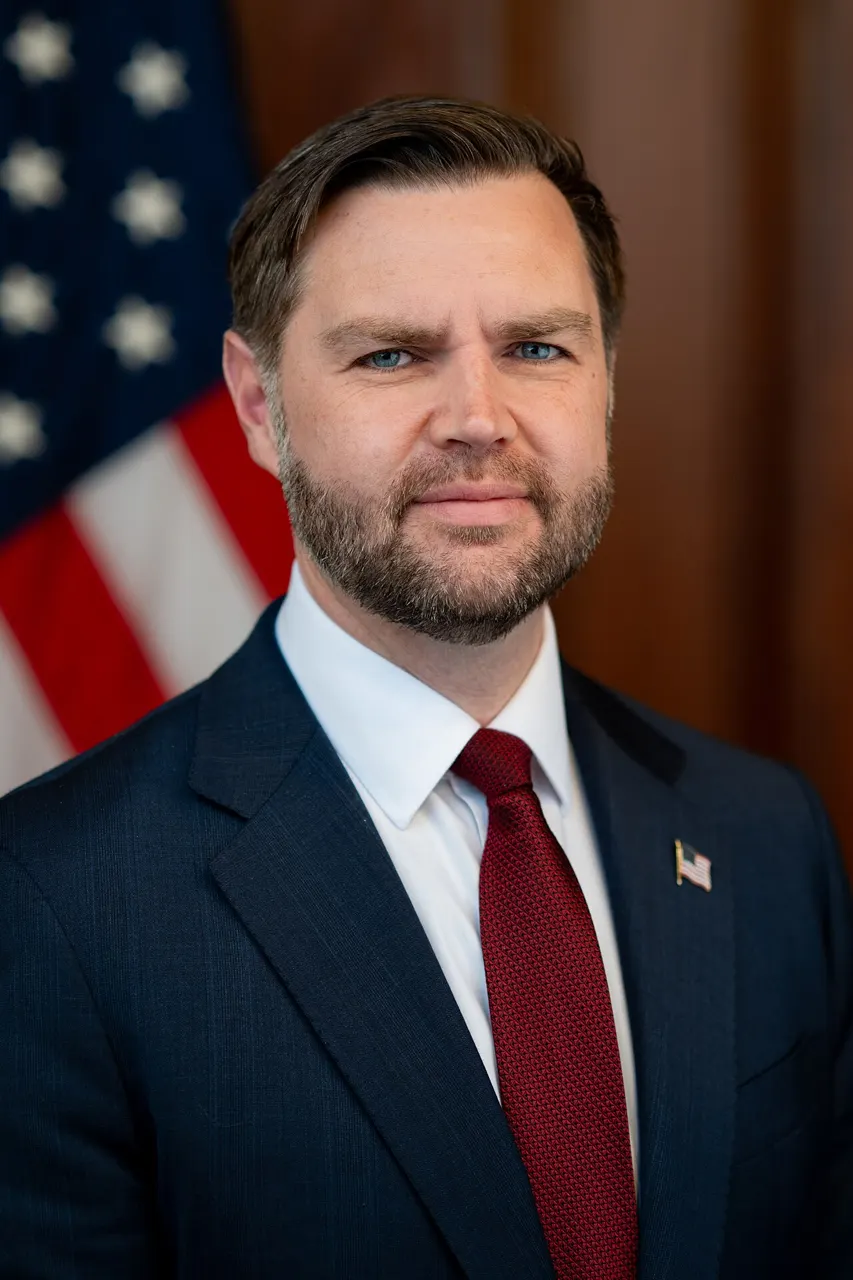
Vice President JD Vance publicly blamed the Iran war for the Republican Party's midterm defeat on Wednesday, in a roughly 600-word statement posted on X that was widely read as an effort to distance himself from President Donald Trump ahead of a possible 2028 presidential run.
"The reason we lost is the war," Vance wrote. "The president himself said so last night."
Trump had defended the war in interviews late Tuesday and Wednesday, but acknowledged it played a factor in Democrats flipping control of the House and the Senate. The United States and Israel attacked Tehran in February, and the conflict has shadowed the administration ever since.
Vance went further than a single line of blame. "If you'd like to argue it was worth it, that losing the Senate for the next 6 years was worth it, then do so. Argue it was a worthwhile cost to pay. Agree or disagree, that's at least honest," he wrote.
Why it matters
A sitting vice president publicly breaking with a president over a signature foreign policy decision has almost no recent precedent. Vance has backed the war in public since the strikes began, though he had reportedly raised objections in private meetings with administration officials. Until now, those disagreements stayed behind closed doors.
Vance also laid out a four-point plan to win back voters: "1) End the war 2) Focus on cost of living/inflation 3) Put America First 4) Change our relationship to Israel." The list reads like the opening argument of a future campaign — and the war is only the first item on it.
Analysts saw the same signal. Daniel Byman, a foreign policy expert at the Center for Strategic and International Studies, said the statement looked like "a way of separating himself from Trump." Republican strategist Ashley Davis put it more bluntly: Vance "put his toe in the water to see what he's going to do."
What it means for the US
For American voters, the split puts the war at the center of the next two years of politics. Vance's own plan ties ending the war directly to the cost of living — the issue he says Republicans must focus on to win voters back. The [US-Iran standoff](/article/us-iran-talks-explained) has already shaped gas prices, military spending debates and the administration's standing with voters, and it is now shaping the Republican Party's own future.
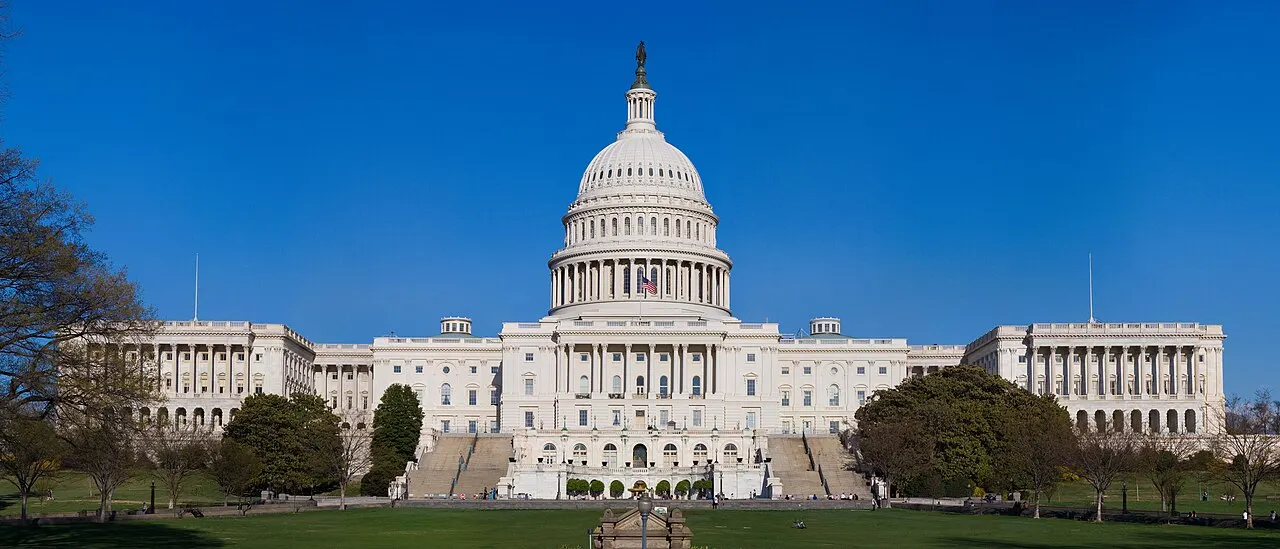
Democrats now control both chambers of Congress after flipping the House and the Senate, [winning 240 House seats and 54 in the Senate](/article/world-reacts-democrats-win-control-congress) according to the BBC's results tracker. That gives the party new leverage over war funding and oversight — and a fresh reason to press the administration on how the conflict ends.
Trump, for his part, is not backing down. He agreed the midterms were "largely" decided by the war, but said he would "do it again" if given the same choices, arguing the strikes stopped Iran from obtaining a nuclear weapon. "They will never have a nuclear weapon," he said.
What happens next
Vance has not said whether he will run for president in 2028, and aides insist he is still weighing it. Trump has praised both Vance and Secretary of State Marco Rubio but has not endorsed anyone — and has even floated the idea of a third term, which the Constitution bars.
The split may not last. Vance showed his statement to Trump before posting it, according to The New York Times, and Trump brushed it off to reporters: "I know how he feels about it. I think it was fine." But if Vance keeps pressing the war issue, the distance between the two men will be hard to ignore — and [the race to succeed Trump](/article/democrats-plan-trump-investigations-new-congress) may already have started.