What happened
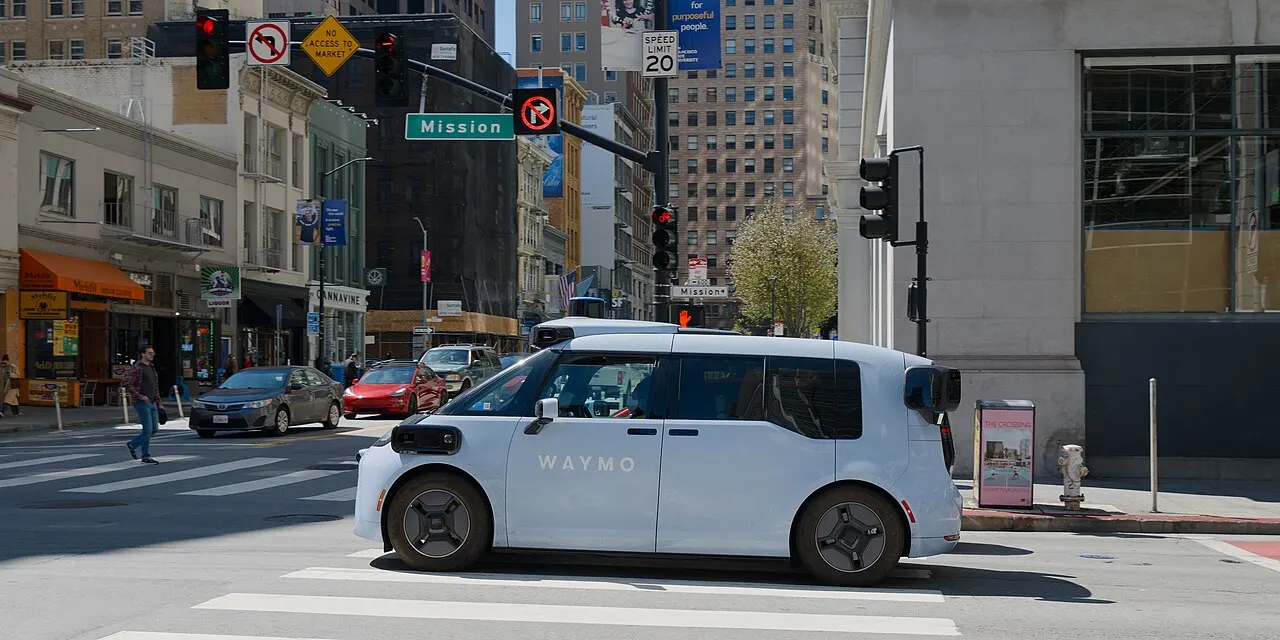
Waymo's robotaxis are off the freeway — in California and everywhere else the company operates. California's Department of Motor Vehicles restricted Waymo's freeway operations after three of its driverless cars drove into an active construction closure on U.S. Route 101 near Burlingame. A separate incident involved California Highway Patrol vehicles on Highway 280 in San Francisco.
The DMV issued the order on November 11, but it only became public on Tuesday, when the San Francisco Business Times first reported it. The department confirmed the restrictions to TechCrunch and said Waymo's freeway driving poses what it called an imminent hazard to public safety.
The problem, according to the DMV, is recurring. Waymo vehicles have repeatedly entered active construction zones where workers, vehicles and equipment were present — despite a prior restriction and corrective actions the company took after similar incidents on May 18, 2026.
Waymo has complied with the order, and then gone further. The company has blocked its robotaxis from freeways in all of its operating markets, not just California. It runs commercial service in 15 U.S. cities. Rides on surface streets continue as normal, with the company saying it still completes more than half a million trips each week.
"Our ride-hailing service continues to operate safely on surface streets," Waymo spokesperson Dana Gallagher said in a statement. The company said it is working with the California DMV and other state officials to resume freeway operations.
Why it matters
Freeway driving was one of Waymo's biggest milestones. The company started offering freeway rides in late 2025, and highway access has been central to its expansion in major metro areas. It connects riders to airports and cuts travel times by avoiding slow surface streets. That mattered most in the San Francisco Bay Area, where Waymo's service area stretches from the city south to Silicon Valley, and freeway access turned Peninsula trips of 45 minutes or more into much shorter rides.
This is also the second time this year Waymo has pulled its cars off highways. In May, the company abruptly stopped highway operations without giving a reason, after social media posts showed its robotaxis driving through traffic cones and struggling to navigate construction zones. The cars returned to freeways in July, after Waymo said it had updated its self-driving software to handle freeway construction zones better.
The new order raises the obvious question: did that fix work? The DMV's answer, in effect, is no — the same kind of incident kept happening. For a company whose pitch is safety, repeated construction-zone incursions are the worst kind of failure, because they put road workers at risk. And the timing stings. Waymo is in the middle of a rapid expansion — it is [splitting from Uber in Austin and Atlanta](/article/waymo-split-uber-austin-atlanta-january-2028) and facing new competition as [Tesla opens Cybercab pre-orders](/article/tesla-opens-cybercab-pre-orders-personal-use) for its own driverless taxi.
What happens next
The restrictions stay in place until Waymo can show the DMV it has taken what the department calls "effective corrective actions" to fix the problem. No timeline has been given.
Waymo says it is working with the DMV and other state officials "diligently and responsibly" to get freeway operations back. Until then, riders in its 15 cities will take surface streets — slower trips, especially to airports and across the Bay Area Peninsula. The company's next software fix, and the DMV's verdict on it, will decide how long the pause lasts.