What happened
Democrats took majorities in the House and Senate in the 2026 midterms, and their next move is oversight, not sweeping new laws. With President Donald Trump still in the White House, party staffers told NPR the new Congress will use its full investigatory powers, including subpoenas and compelled testimony.
Rep. Robert Garcia of California, expected to chair the House Oversight Committee, summed up the posture in two words in a statement: "LAWYER UP." The message was aimed at administration officials facing a Congress that, for the past two years, was run by Republicans.
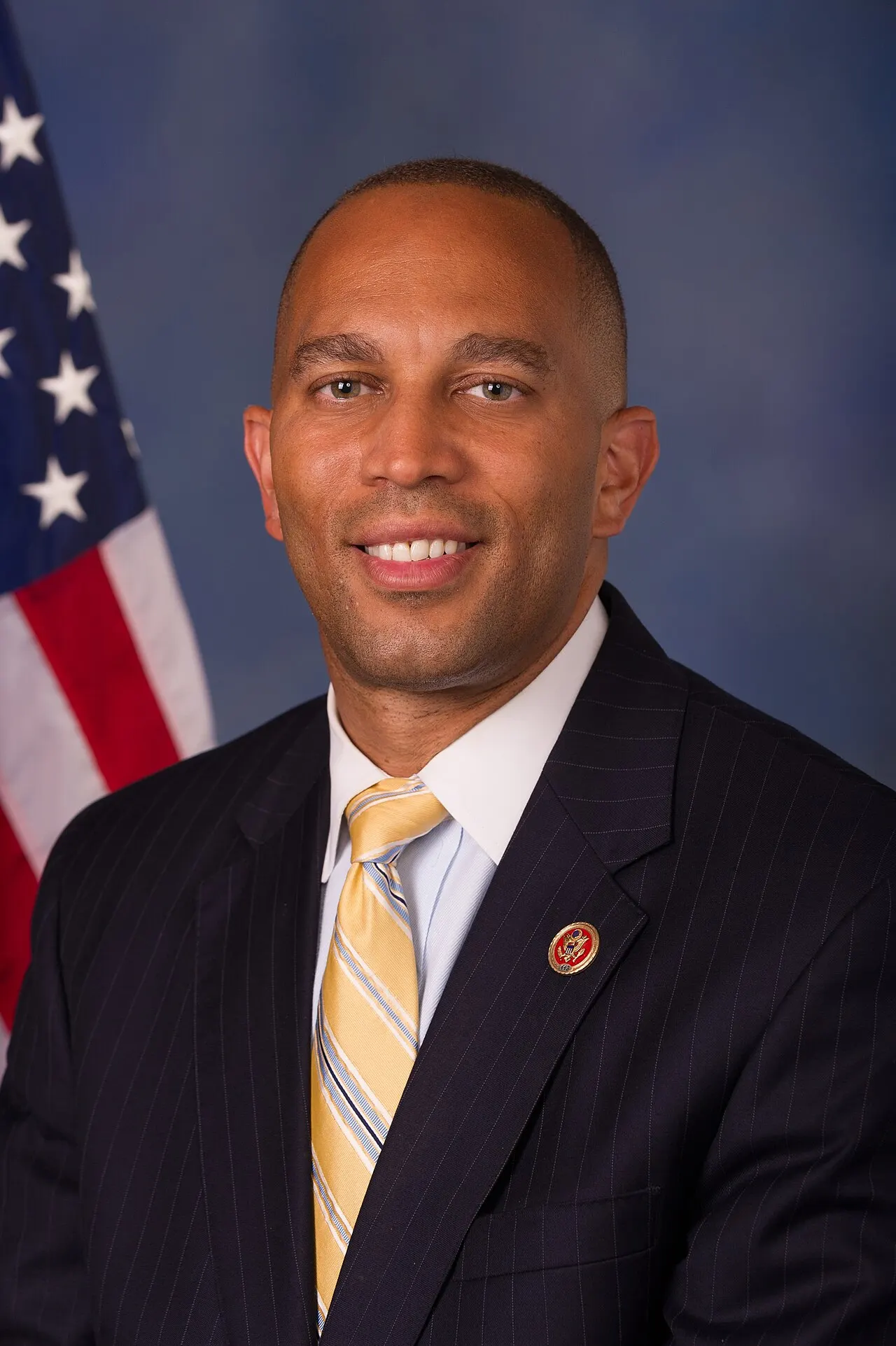
The list covers seven areas, according to conversations NPR had with Democratic House and Senate committee staffers. It runs from the handling of Jeffrey Epstein records to immigration enforcement, public health, executive power, the Iran war, and federal money going to Elon Musk's companies. [Hakeem Jeffries is set to lead the new House majority](/article/jeffries-poised-first-black-house-speaker), giving Democrats a speaker to drive that agenda.
Why it matters
Oversight is the one lever a new majority can pull on its own. It cannot force Trump to sign bills, but it can force officials to testify, demand documents, and hold public hearings that put administration decisions on the record.
Democrats argue voters backed that approach. Public corruption and failing leadership were described as top concerns for voters in the midterms, and the party's plan treats the investigations as a direct response to that verdict. [The result drew reactions around the world](/article/world-reacts-democrats-win-control-congress), with allies and rivals alike reading the new balance of power in Washington.
The plan also sets up a long fight over documents and testimony. Past clashes between Congress and the White House have often ended in court, and the administration has already denied one central Democratic claim, that the Justice Department worked to shield Trump in the Epstein matter.
What it means for the US
For US readers, the investigations will test how much of the administration's record becomes public. Epstein records, immigration enforcement, and spending decisions all touch questions voters can judge for themselves: what officials did, what they knew, and where public money went.
The immigration and public health inquiries carry the most direct stakes for households. Democrats say they documented hundreds of incidents involving immigration agents while in the minority, including the killing of two US citizens in Minnesota this year, and they plan hearings on that record. On health, they point to a June report arguing the administration weakened public health infrastructure and scientific research, with a focus on Health and Human Services Secretary Robert F. Kennedy Jr.
The spending and war-powers fights go to a constitutional question. Democrats say Congress alone controls taxpayer spending and alone can declare war, and they accuse the White House of ignoring both. If those claims hold up in hearings, they could shape how the next two years of budgets and military action are debated.
What happens next
On Epstein, Democrats say many records were improperly redacted or withheld. They plan to probe ties between Epstein and other powerful figures, including the president, as part of accountability for victims. Rep. Jamie Raskin of Maryland, the top Democrat on the House Judiciary Committee, pointed to an October report and evidence involving 11 women. Trump has long denied wrongdoing related to Epstein and has maintained their relationship ended before Epstein was indicted in 2016.
On corruption, the focus is whether administration officials advanced the financial interests of the president, his family, themselves, or close allies. Garcia linked that to the cost-of-living crisis, dark money, possible stock trading on nonpublic information, and the revolving door between government and corporate lobbying. The business interests named include Truth Social, cryptocurrency projects, and overseas projects involving Trump's sons and foreign investors.
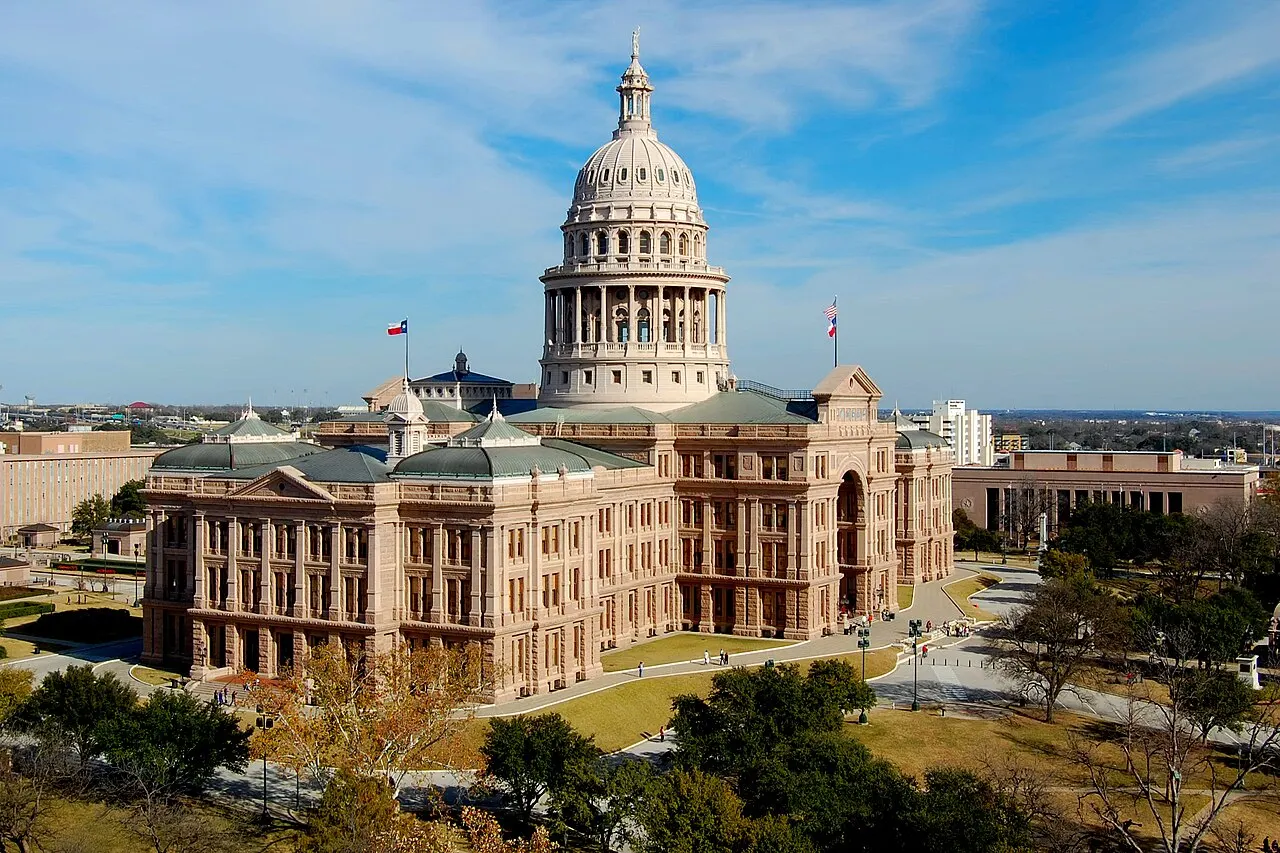
Immigration hearings will continue work Democrats started in the minority, including an October field hearing in Austin, Texas, on shootings by Immigration and Customs Enforcement. Rep. Pramila Jayapal of Washington described ICE as a lawless, rogue agency and said House Democrats would keep pressing oversight and efforts to protect communities from the mass deportation agenda.
The remaining inquiries cover White House building projects and spending, the Iran war, and Musk. Democrats cite the East Wing remodel, a planned monumental arch, work at the Lincoln Memorial Reflecting Pool, the shuttering of the John F. Kennedy Center for the Performing Arts, and paving of the Rose Garden, alongside billions in congressionally approved spending they say the White House rescinded. On Iran, they plan to press Pentagon officials, including Defense Secretary Pete Hegseth, on the war's cost, with a possible House impeachment vote on Hegseth during the lame-duck session and more war-powers votes expected.
On Musk, Democrats plan to scrutinize federal funding for his businesses, including whether companies meet contract terms and whether safeguards exist against political interference or misuse of federal resources. They cite interruptions to his satellite internet service that stymied Ukraine's military operations against Russia. A group of Silicon Valley House Democrats wrote to the White House in October saying the 120th Congress would closely examine that funding, and Democrats also plan to revisit the Musk-led Department of Government Efficiency effort, which cut deeply into the federal workforce in the first year of Trump's second term without delivering promised trillion-dollar savings.
None of this will move fast. Subpoenas get challenged, witnesses negotiate, and war-powers votes in the past have been largely symbolic. But the direction is clear: after [an election fought over control of Congress](/article/us-midterm-election-day-congress-control-at-stake), the new majority's first weapon is the hearing room.