What happened
James Talarico has won a U.S. Senate seat in Texas, defeating Republican Ken Paxton. The result ends a drought that stretched back to 1988: no Democrat had won a Senate race in the state since then.
Talarico, a former schoolteacher and Texas state legislator, was little known outside the state until last year. He first beat Dallas Congresswoman Jasmine Crockett in the Democratic primary, then took on Paxton in a general election campaign that drew national attention and record spending.
At his watch party in Austin, Talarico told supporters: "We just took back Texas." He framed the win as proof that voters could not be outspent, even in a race where more than half a billion dollars changed hands. The BBC reports the contest became the most expensive Senate race in American history, with more than $200 million spent against Talarico alone.
Texas delivered a second historic result on the same night. Gina Hinojosa is set to become the state's first Latina governor after defeating Republican incumbent Greg Abbott, the first Democratic gubernatorial win in Texas since the 1990s.
Why it matters
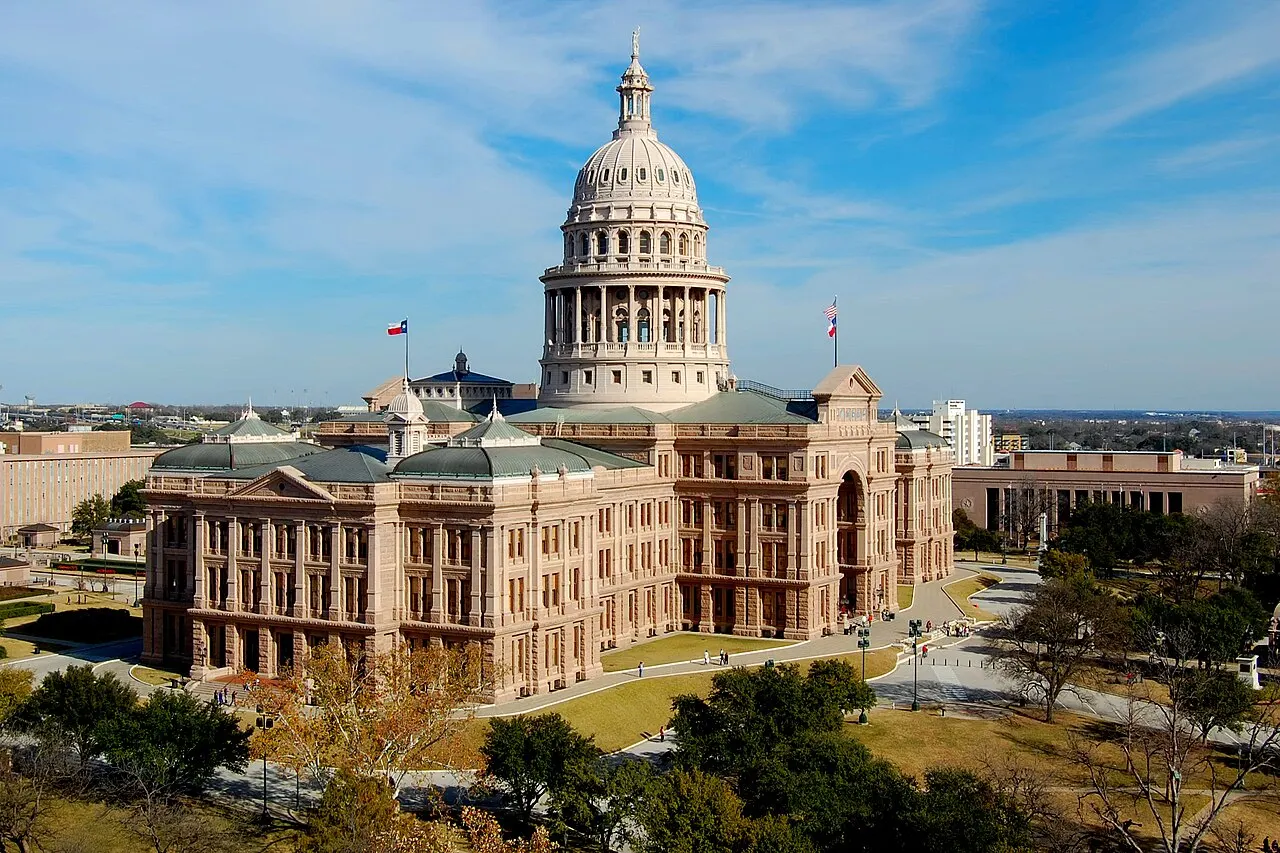
Texas matters out of proportion to one Senate seat. It is the second most populous state in the country, and policies adopted in Austin are often copied elsewhere. For decades, a Democratic statewide win there looked out of reach, even to Texas liberals. That assumption broke on Tuesday night.
The campaign itself became a test of money against message. Talarico ran hard on the rising cost of living under Republican leadership. Paxton, who campaigned alongside Donald Trump on several occasions, tried to paint Talarico as too progressive for Texas. Two members of the Bush family backed Talarico, an unusual split in a state long defined by Republican politics.
The spending figures tell their own story. Billionaire Elon Musk put $158 million into a super PAC supporting Paxton, according to the BBC. Talarico answered Musk directly the morning after the win, telling CBS: "Texas is not for sale." Paxton carried his own baggage into the race: his own party impeached him in 2023 on corruption accusations, though the state Senate acquitted him, and federal fraud charges brought by the U.S. Securities and Exchange Commission were later dismissed.
Political scientist Quardricos Driskell of George Washington University called the Texas Democratic wins "absolutely historic." The night fit a wider pattern: [Democrats swept to control of Congress](/article/world-reacts-democrats-win-control-congress), and world leaders reacted through the morning as the scale of the wave became clear.
What it means for the US
For American voters, the Texas result is a signal about what decided this election. The BBC's reporting points to frustration over high consumer costs, including petrol prices blamed in part on Trump's tariff policies and the Iran war, and to discontent with Trump's immigration policies, including among Hispanic voters, who make up a third of Texas's population. If that reading holds, cost of living is now the issue both parties will have to answer first.
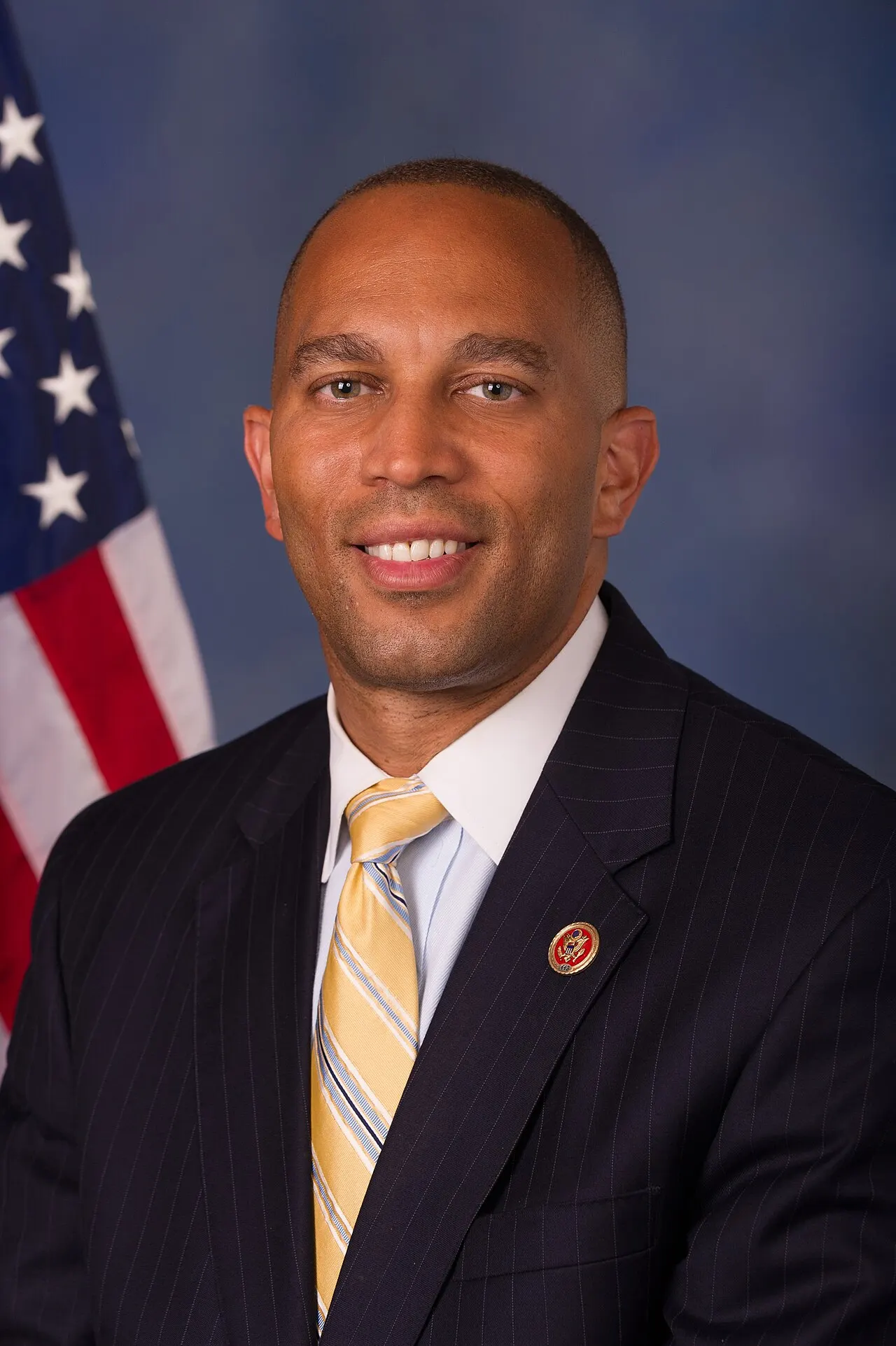
For Washington, the practical effect is a Democratic Senate delegation from a state that has reliably sent Republicans to the chamber for a generation. That changes the map for 2028: Texas can no longer be treated as automatic Republican territory, and both parties will have to spend, organize, and campaign there as a contested state. It also strengthens the Democratic hand in Congress as [Hakeem Jeffries prepares to become the first Black House speaker](/article/jeffries-poised-first-black-house-speaker), giving the party control of both chambers heading into the second half of Trump's term.
For the rest of the country, Texas policy is national policy in waiting. A Democratic senator from Texas will have a platform on energy, immigration, and the cost of living debates that shape federal law, and a Democratic governor in Austin will change how federal-state fights play out on those same issues.
What happens next
Talarico heads to Washington as part of a new Democratic majority, after a midterm campaign that began with [control of Congress on the line](/article/us-midterm-election-day-congress-control-at-stake). The first test will be how that majority uses its leverage in the remaining two years of Trump's presidency, including on spending, tariffs, and immigration.
In Texas, the results will be fought over inside the Republican Party. Trump blamed Abbott's loss on the governor becoming, in his words, a Republican in name only during the final months of his political life. Expect that argument, and the question of whether Paxton was simply a weak candidate, to dominate the party's post-election reckoning. The vote-counting in a handful of still-uncalled Senate races, including Mississippi, will complete the final shape of the new Senate.