What happened
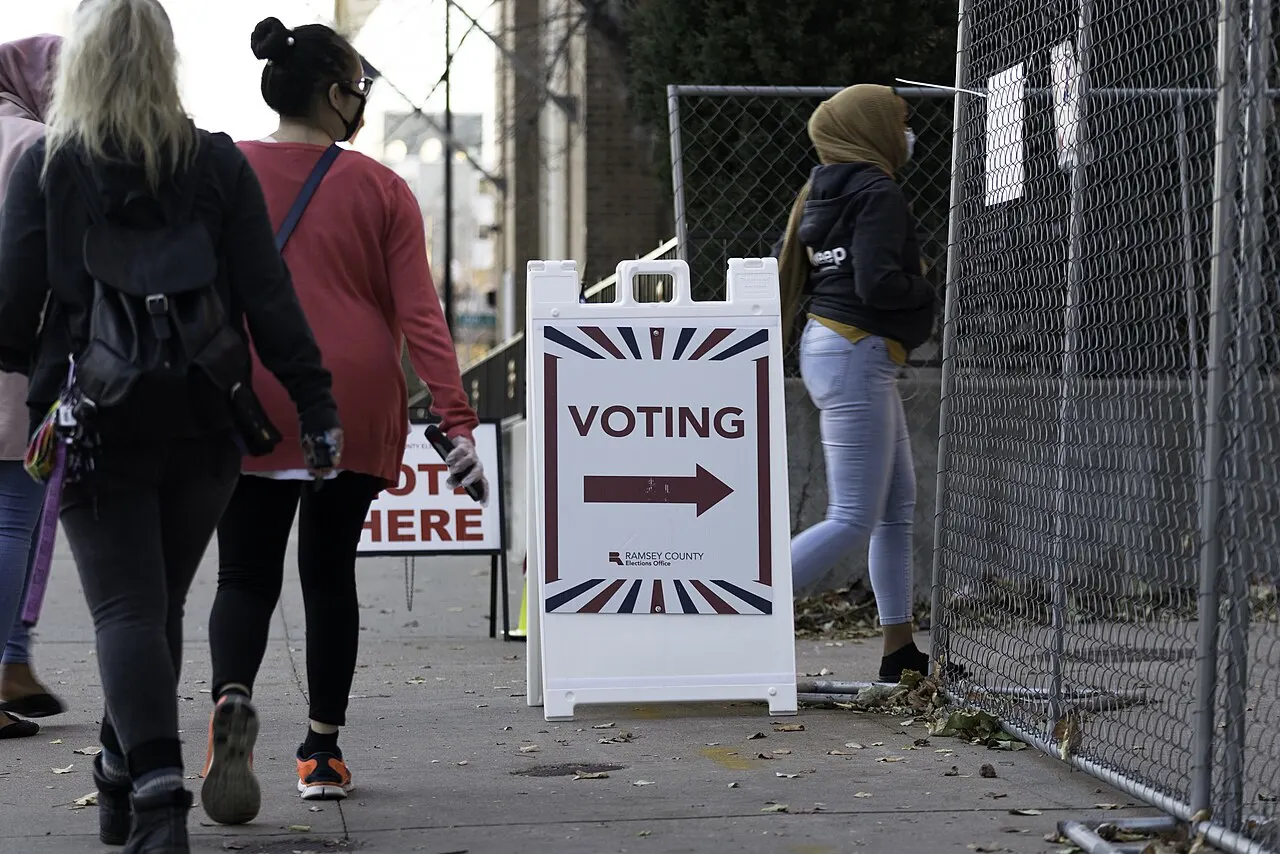
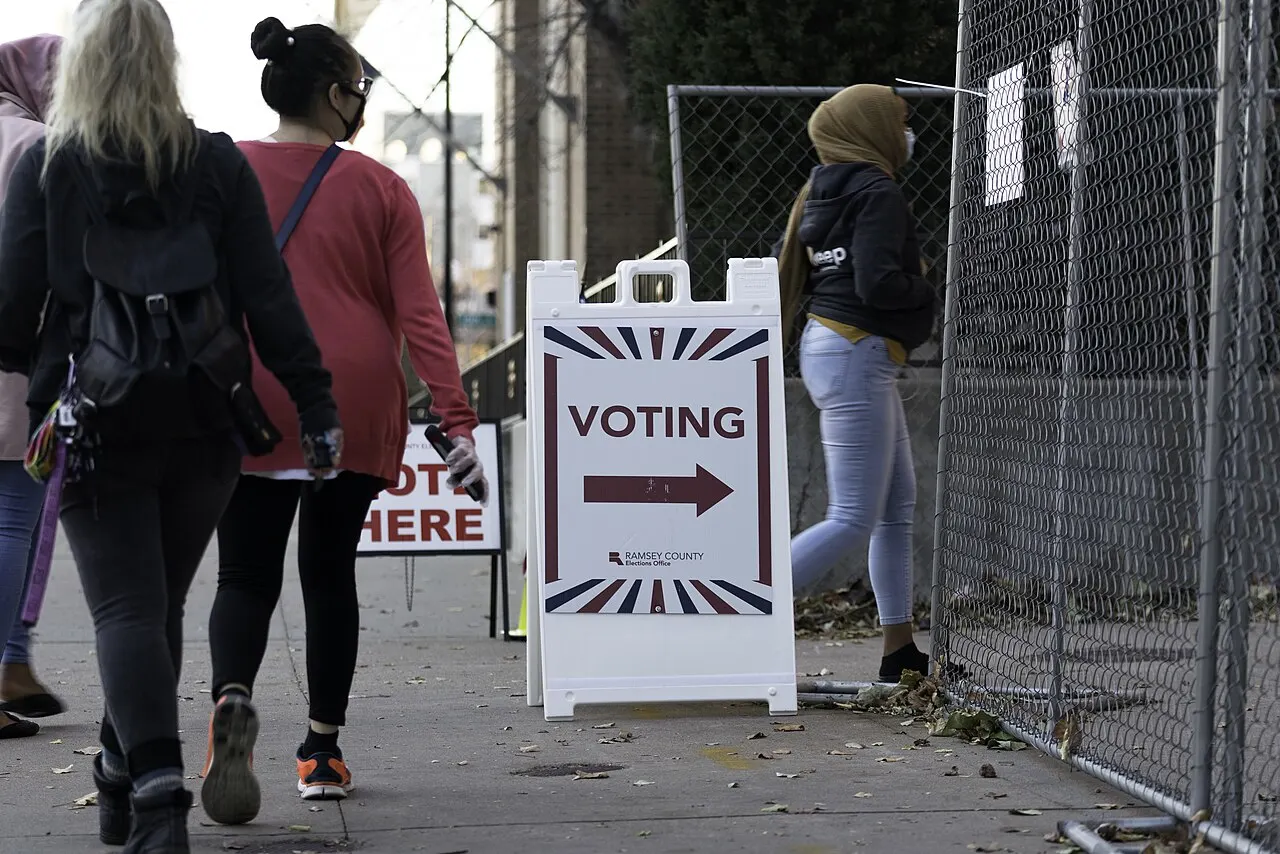
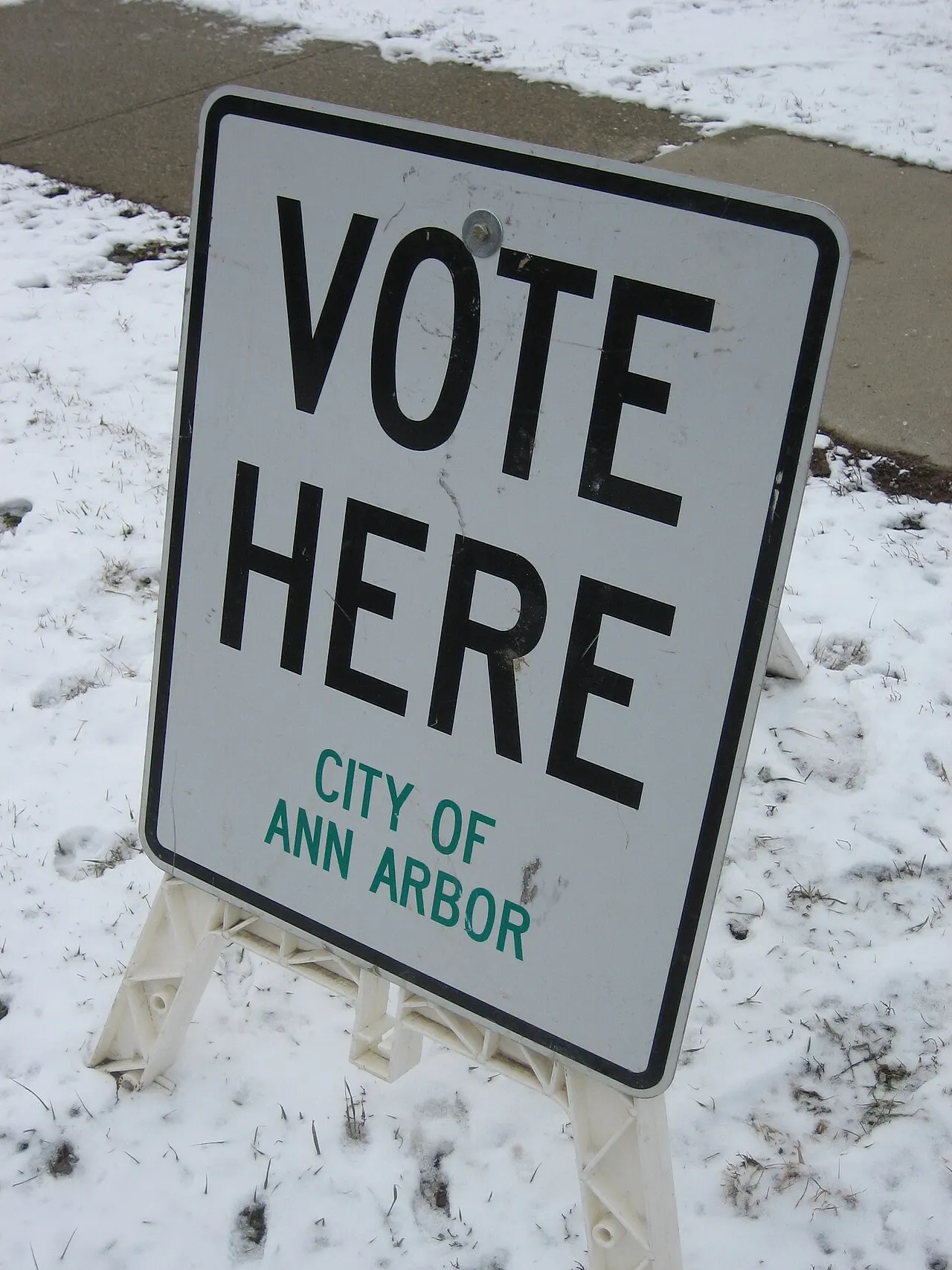
Michigan voters went to the polls on Tuesday in one of the most closely watched Senate races of the 2026 midterms. Democrat Abdul El-Sayed and Republican Mike Rogers are competing for the seat held by retiring Democratic Senator Gary Peters.
Rogers cast his ballot at a polling station in White Lake, Michigan, hours after polls opened at 7 a.m. local time. El-Sayed had already voted by absentee ballot before Election Day, and his vote had been submitted and counted.
Both candidates spent the final hours urging supporters to turn out. El-Sayed posted on social media: "It's time. It's up to us to show the country what's possible. The world is watching," alongside a campaign video featuring former President Barack Obama. Rogers posted a video of supporters, one of whom called El-Sayed an "extremist," with the message: "We have a state to save."
A final New York Times/Siena poll put El-Sayed 11 points ahead of Rogers going into Election Day. Polls close at 8 p.m. local time, and if the race is close, it may not be called until later on Wednesday. The Justice Department said election monitors would be present at polls in Michigan and states across the country, a first in US history.
Why it matters
The Michigan seat is one of the races that will decide control of the Senate. Democrats need to gain four seats in Tuesday's elections to wrest the chamber back from Republicans and rein in President Donald Trump, and [Michigan is one of the contests both parties have treated as a must-win](/article/us-midterm-election-day-congress-control-at-stake).
The race is also a test of whether a progressive who openly criticises Israel can win in a swing state. El-Sayed, the Michigan-born son of Egyptian immigrants, is a former head of Detroit's health department who has campaigned on progressive policies such as Medicare for All. Rogers is a former congressman and close ally of Trump, seeking a comeback after a narrow loss to a Democrat in a 2024 Senate race.
The final days of the campaign were overshadowed by a rift inside the Democratic Party. El-Sayed narrowly defeated Congresswoman Haley Stevens in an August primary, and on Sunday Stevens endorsed Rogers, saying she was "choosing country over hate" after a weeks-long row about El-Sayed's opposition to US support for Israel. [Stevens had been backed against El-Sayed by more than $30 million from the pro-Israel lobbying group AIPAC](/article/democrat-stevens-backs-republican-rogers-michigan-senate-race), and according to The New York Times, a majority of her large donors lined up behind Rogers after her loss, channelling $9 million into a Republican group that supports him. [Democratic leaders rallied around El-Sayed after the defection](/article/democrats-rally-behind-el-sayed-after-stevens-backs-rival), with Senate Minority Leader Chuck Schumer saying after casting his own ballot that El-Sayed would win because he was talking about what Michiganders care about, above all the cost of living.
El-Sayed has accused Israel of genocide in Gaza and argued that US aid to Israel would be better spent at home. He has also faced persistent attacks on his faith. Republican ads have sought to link him to "terrorism" and radicalism, and Trump has repeatedly called him a "jihadist" and a "nasty guy," mocking his name and repeating a claim, described as unfounded in the report, that he belongs to the Muslim Brotherhood. Hours before polls opened, Trump wrote on Truth Social: "Abdul El-Sayed Hates Jews and Hates Blacks. Don't feel bad, he also Hates Whites. Only fools would vote for him in the Michigan race for the U.S. Senate! He will, 100%, do you in! VOTE FOR MIKE ROGERS." In a Fox News interview early on Election Day, Trump also said annual US financial aid to Israel should stop at the end of 2026, asking: "Why should we suffer the slings from lunatics like an El-Sayed when they [Israel] don't need it?"
What it means for the US
If El-Sayed wins, he would become the first Muslim in the United States Senate, and Democrats would move one seat closer to the four gains they need for a majority. That majority would give them real leverage over the rest of Trump's term: the power to block or confirm his nominees, set the Senate's agenda, and open investigations.
The race also carries a message about what wins in swing states. Schumer framed the contest around a single issue, saying millions of Michiganders rank getting their costs down as their number one concern. A win for the candidate who campaigned hardest on that message would tell both parties that cost-of-living politics still beats culture-war attacks in the states that decide national elections.
And the Justice Department's decision to place monitors at polls across the country, a first, reflects how contested the rules of voting themselves have become. Michigan, a state where past results have been fiercely disputed, is now being watched by federal eyes on both sides of the argument.
What happens next
Polls in Michigan close at 8 p.m. local time. If the margin is close, the race may not be called until later on Wednesday, and the count of absentee ballots could stretch the wait. The result will feed straight into the national picture of Senate control as results come in from the other battleground states overnight.