What happened
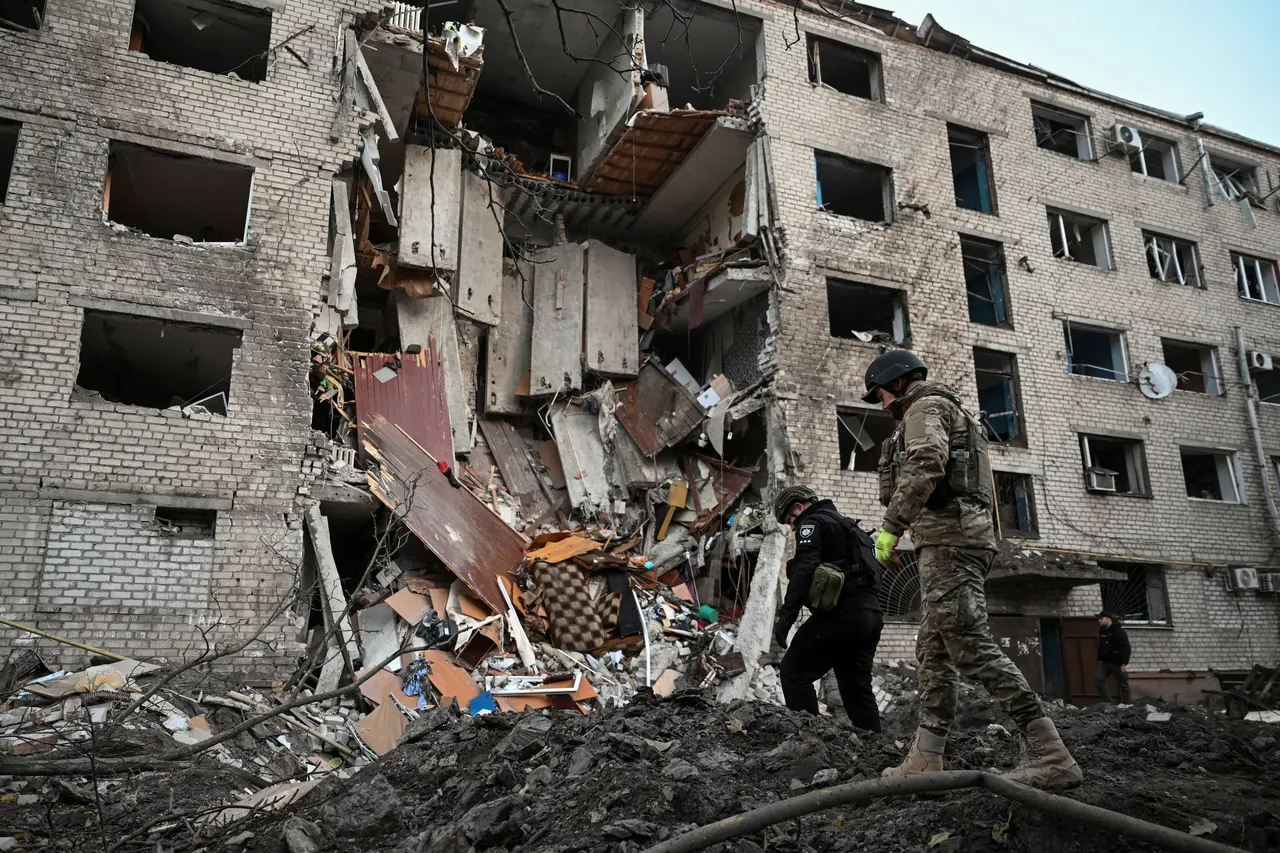
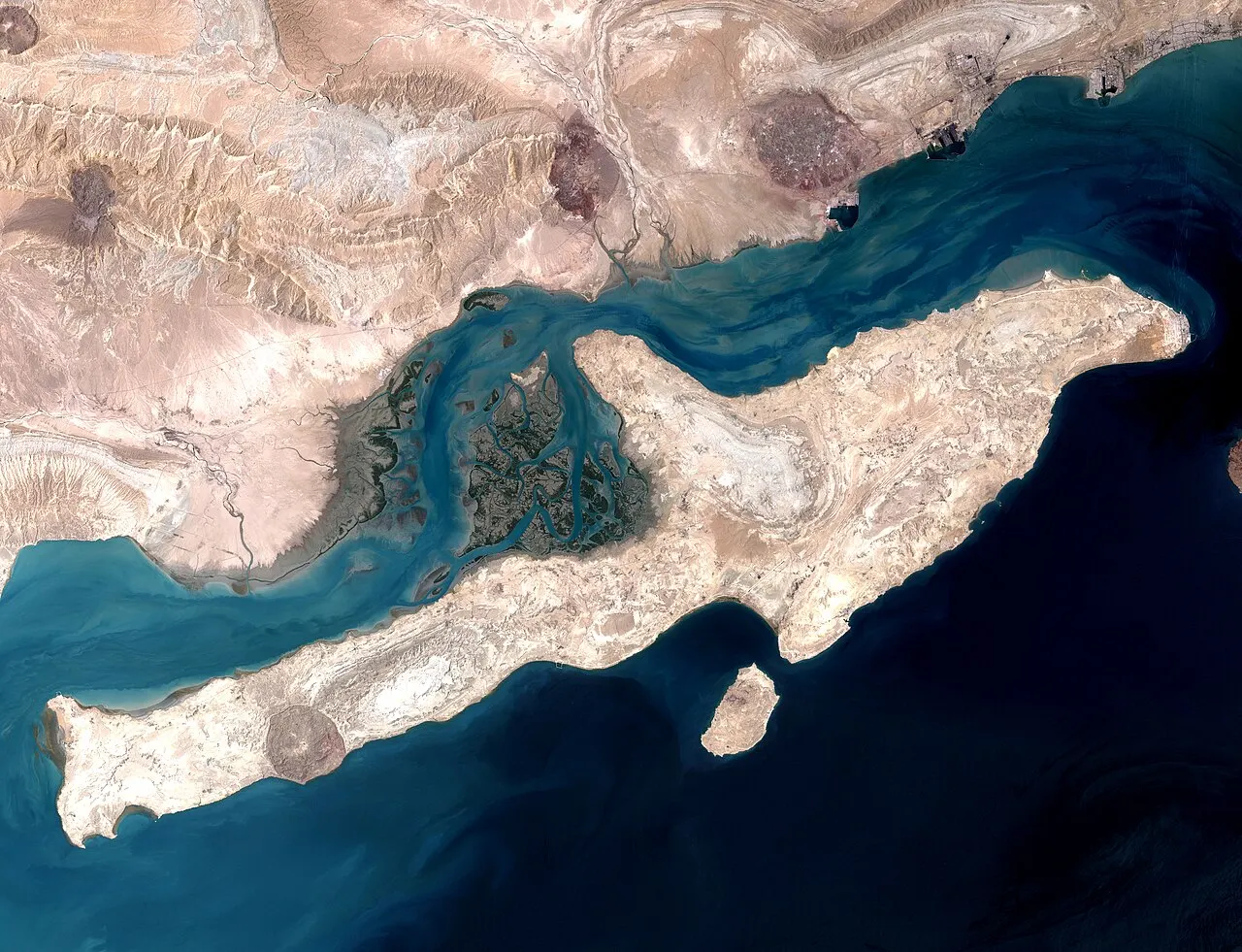
The United States has launched strikes on Iran's Qeshm Island in the Strait of Hormuz, US officials told CBS, the BBC's US partner. The officials described the strikes as limited and said they were carried out in response to Iran's Islamic Revolutionary Guard Corps (IRGC) firing on a US aircraft.
Iranian state news agency Irna reported several explosions on Qeshm on Monday. The IRGC did not comment on the strikes, but said its forces had shot down two US MQM-170 reconnaissance drones south of the island and a US MQ-9 drone over an area east of the Strait of Hormuz.
The BBC said it had contacted US Central Command for comment. The strikes landed on the morning Americans headed to the polls in the midterm elections, a vote that will decide control of Congress for the rest of President Donald Trump's term.
Why it matters
Qeshm sits in one of the world's most important waterways. About a fifth of global oil and gas shipments usually pass through the Strait of Hormuz, and the strait has been effectively closed since the Iran war began, after Iranian attacks on commercial vessels and a US naval blockade.
The war started in February, when the US and Israel attacked Iran. The two sides reached a preliminary agreement in June to end the fighting and reopen the strait, but it collapsed within weeks after Iranian attacks on shipping resumed and the US reinstated its blockade. Iran has since insisted on keeping some measure of control over the waterway, and the US military has been escorting tankers through the strait to keep Gulf oil moving.
The timing is hard to ignore. Trump has been facing falling polling numbers and pressure from within his own party to end the war. On Monday he told reporters he was in "no rush" to ramp up strikes on Iran, adding: "One way or the other, we will do something, but there is no rush." He also told Fox News the US "might need to go after Pickaxe [Mountain]," an underground site linked to Iran's nuclear programme, calling that "not a big deal" and saying it could be done in "one hour."
What it means for the US
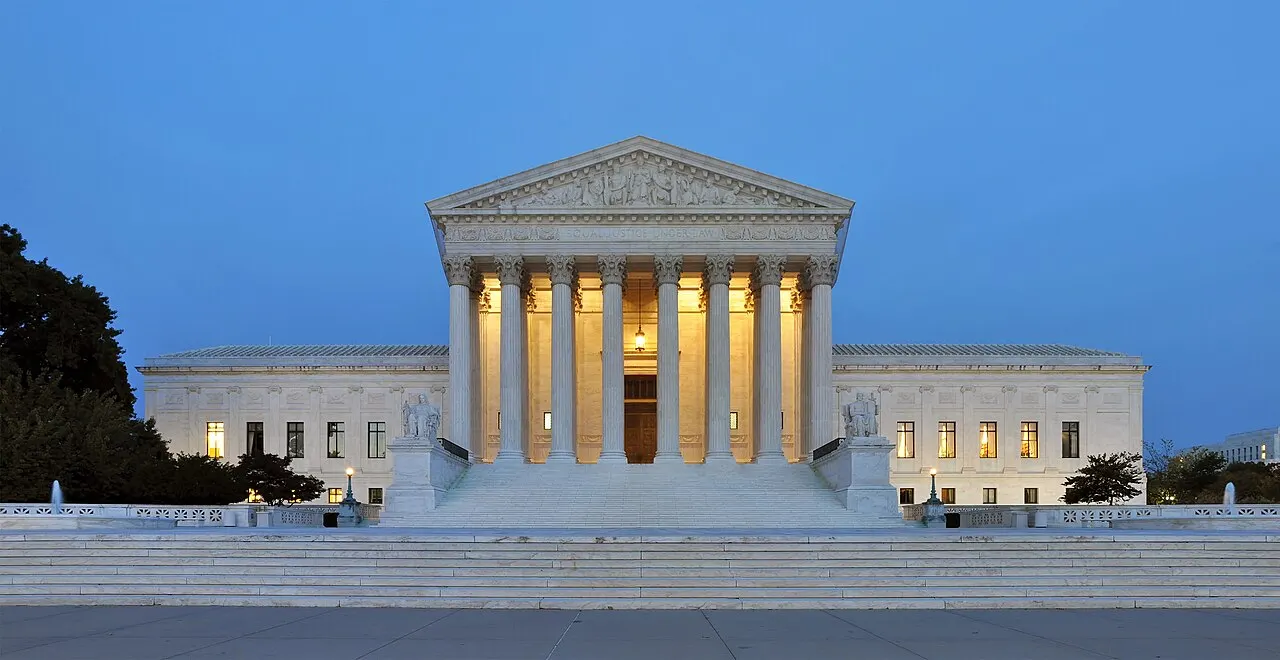
For American voters, the strike puts foreign policy on the ballot on Election Day itself. The midterms are already a verdict on Trump's presidency, and a fresh military action in the Gulf gives voters something new to weigh as they cast ballots in races that will decide whether Republicans keep control of Congress.
There is also a direct pocketbook link. The Strait of Hormuz carries a huge share of the world's oil, and any escalation there can push up energy prices. US drivers felt that risk before, when the strait effectively closed earlier in the war, and a wider conflict would test the tanker escorts the US military has been running through the waterway.
Diplomacy is still moving in parallel. Iran's chief negotiator, parliament speaker Mohammad Bagher Ghalibaf, said on Tuesday: "The ball is now in America's court to prevent war." Foreign Minister Abbas Araghchi told Irna on Monday that "very intensive" talks were under way with the US through mediators, and that Iran was prepared for both diplomatic and military scenarios. Last week, Iranian negotiators discussed a proposal to reopen the strait within two days if the US met seven conditions, including lifting its naval blockade of Iranian ports and releasing frozen Iranian assets. Our earlier coverage of [the diplomacy around Hormuz](/article/iran-us-diplomacy-hormuz-talks-war-threat) and [what the US-Iran talks cover](/article/us-iran-talks-explained) has the full background.
What happens next
Two questions now dominate. The first is whether the Qeshm strikes stay limited or grow into a wider round of attacks. The Associated Press cited two regional officials as saying Israeli Prime Minister Benjamin Netanyahu pushed Trump during a weekend phone call for another wave of strikes after the midterms, though Trump said on Monday that was not the plan.
The second is what voters decide. With polls open across the country, the midterms will shape how much room Trump has to pursue either war or a deal. His [final rallies before the vote](/article/trump-final-midterm-rallies-nostalgic-nov-3-vote) leaned heavily on nostalgia, and the results will show whether voters rewarded that message or punished it. Watch for a US Central Command statement on the strikes, any Iranian response, and movement in oil markets as traders price in the risk.