What happened
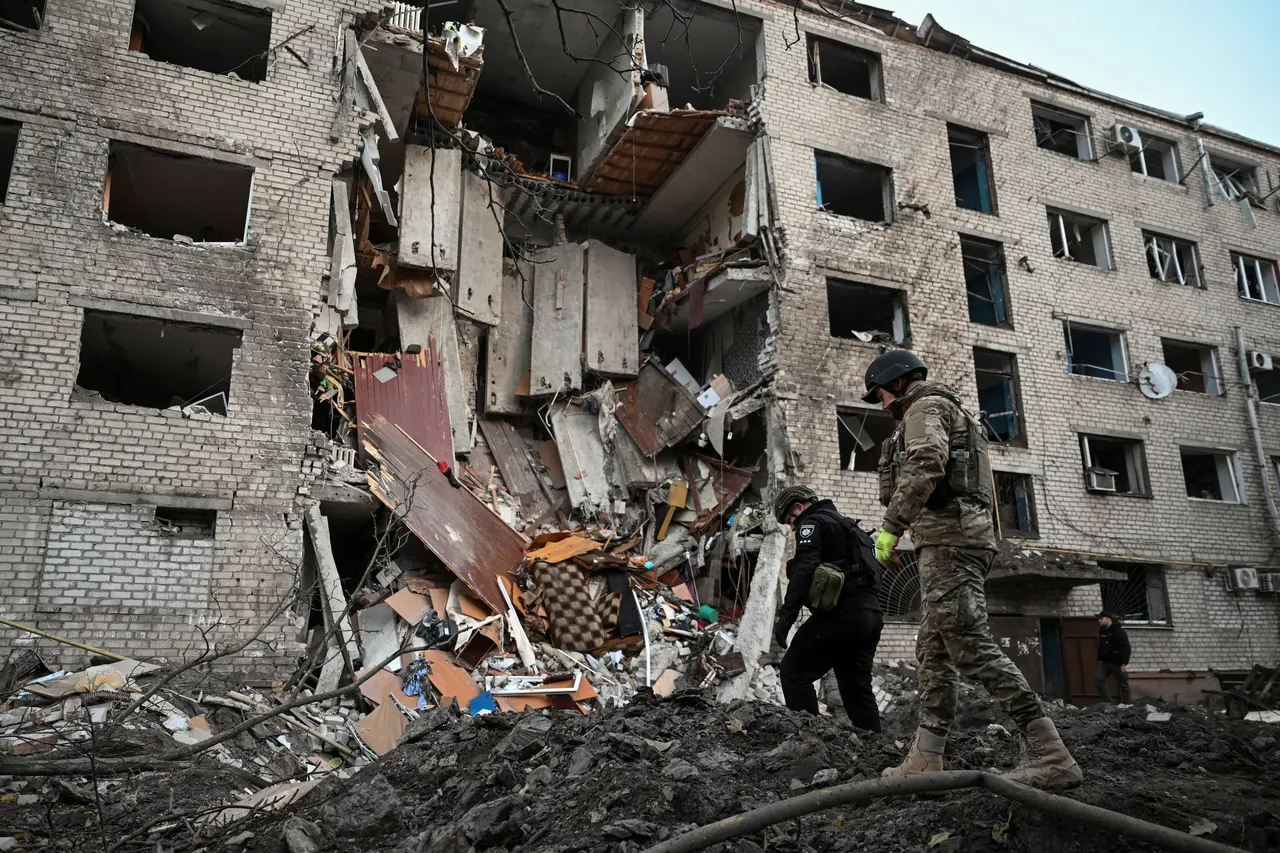
At least 24 people were killed after Russian bombs hit an aid distribution centre in the village of Komyshuvakha, in Ukraine's southern Zaporizhzhia region, Ukrainian officials said. Five people were injured and 27 were initially reported missing after at least nine 3,000kg aerial bombs struck the village, according to regional head Mykhailo Semikin.
President Volodymyr Zelensky said the first strike hit a local school "used for humanitarian needs", and a second attack hit the place where people were sheltering. He posted a video showing a huge crater left by the attack and rescue teams searching through the rubble.
Ukraine's state emergencies service, DSNS, later confirmed 24 people killed, including two rescuers and four police officers. Zelensky had initially put the death toll at 18. Semikin described the attack as a "terrible tragedy" for the village and said people were still under the rubble.
Rescue teams were working at the scene but had to halt their operation a number of times because of Russian drone attacks in the area, Semikin said. A day of mourning has been declared for Tuesday across the entire Zaporizhzhia region. The Russian military has not publicly commented on the attack.
Why it matters
The strike hit a place where local residents collected humanitarian aid every week, according to Zelensky. "The Russians could not have been unaware that the local residents who remained in Komyshuvakha received humanitarian aid there every week," he wrote on social media.
The attack comes as warnings about the war's toll on civilians keep piling up. Just hours earlier, Ukraine and Russia both reported that emergency alert apps had been hacked to send fake nuclear warnings, a scare covered in [our report on the hacked alert apps](/article/fake-nuclear-warnings-ukraine-russia-alert-apps-hacked). Monday's bombing shows how quickly the danger on the ground can turn real, even as both sides trade accusations online.
Zelensky framed the bombing as evidence against de-escalation. "This is yet another proof that Russia does not want any de-escalation," he said. He pointed to a recent joint Russian-Ukrainian operation to evacuate civilians from the Russia-occupied southern city of Oleshky during a temporary ceasefire brokered by US First Lady Melania Trump, saying "there was a moment when the next steps could show that peace is possible". "With such killings, Russia is sending the exact opposite signal," he said.
What it means for the US
The attack lands directly on the diplomatic track Washington has been trying to keep alive. The Oleshky evacuation Zelensky cited was brokered by the US first lady, and its collapse into fresh killings undercuts the argument that a negotiated pause is within reach. For US readers, that matters because American diplomacy and American military aid remain central to how long Ukraine can hold its defensive lines.
The US has continued to supply Ukraine with air-defence weapons, including [the Patriot missiles approved earlier](/article/us-approves-500-patriot-missiles-ukraine). Strikes like the one in Komyshuvakha, with heavy aerial bombs falling on a civilian aid point, are exactly the kind of attack those systems are meant to blunt. Each such strike also hardens the politics in Washington around continued support, as lawmakers weigh the cost of aid against the visible civilian toll.
What happens next
Rescue work in Komyshuvakha continues, with officials warning the death toll could rise further as people remain under the rubble. The Zaporizhzhia region will observe a day of mourning on Tuesday.
Whether Russia comments on the strike, and whether the attack draws a fresh response from Kyiv's allies, will shape the next round of diplomacy. For now, Zelensky's message is blunt: Moscow, he says, is "counting on further killings".