What happened
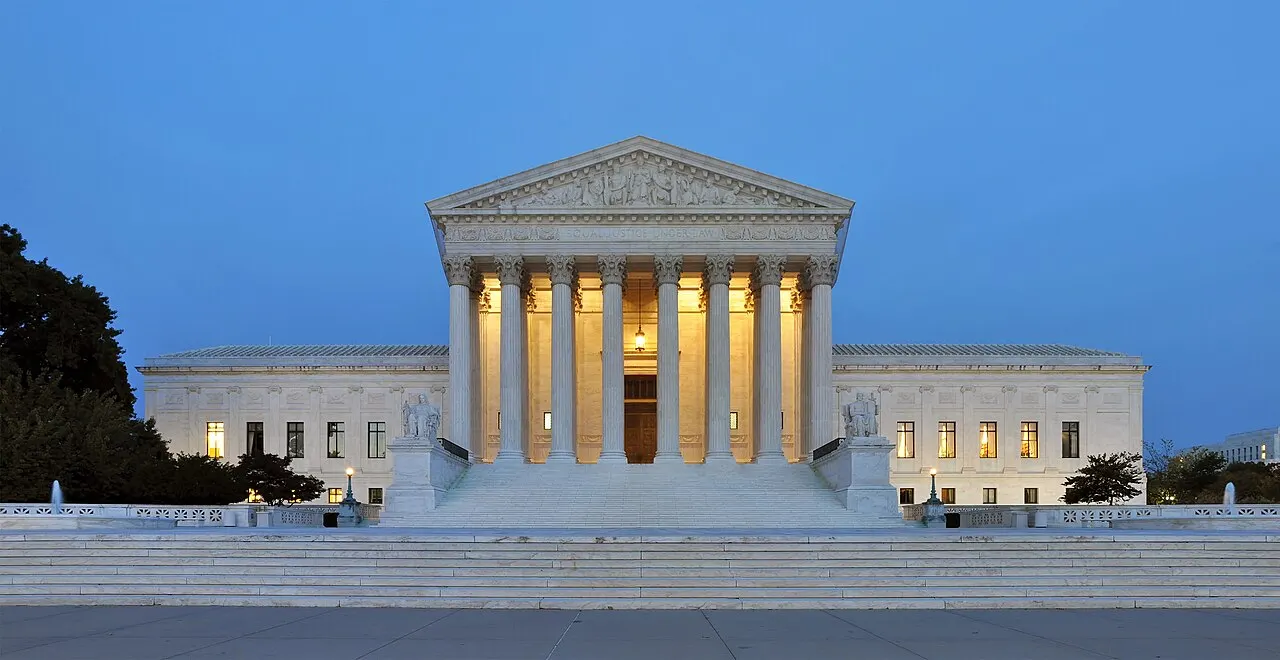
The Justice Department told the Supreme Court on Monday that it wants the justices to step into its fight with California over the state's voter rolls, just one day before Election Day on November 3. The department filed notice of its plan to appeal after lower courts refused to order California to set aside ballots from thousands of people while their citizenship is checked.
The department says it has identified 20,000 likely noncitizens on California's rolls and wants their ballots held back until they are verified. A federal district judge rejected that request, and a divided panel of the 9th Circuit Court of Appeals turned down the emergency bid on Friday. The Justice Department has pressed similar ballot-segregation demands in other states, including in a [dispute over Alaska ballots](/article/doj-seeks-isolate-alaska-ballots-criminal-probe-confirmed) that surfaced days earlier.
Why it matters
The timing is the core problem, according to the courts that ruled against the department. California and Los Angeles County argued that the federal list was unreliable and that building a new system to separate ballots in the middle of voting was not workable. The judges who rejected the request agreed, warning of a serious risk that lawful voters could lose their votes and that the county's whole election could be put at risk.
The 9th Circuit majority, Judges Mark J. Bennett and Gabriel P. Sanchez, pointed to three established guardrails: the Purcell principle, which discourages courts from changing election rules close to an election; the Constitution's assignment of election administration to the states; and a federal law that bars systematic removals of ineligible voters within 90 days of a federal election. Judge Patrick J. Bumatay dissented. County officials also said the real number of ballots at stake was likely far smaller than 20,000, because many people on the federal list did not hold active registrations and had not been sent ballots.
What it means for the US
This case is now a test of how far federal authorities can go in challenging a state's voter rolls on the eve of an election. A Supreme Court order in the department's favor would signal to other states that last-minute federal demands to separate ballots can succeed, even after lower courts have said no. A refusal to intervene would leave the existing guardrails in place: states run elections, and courts are reluctant to rewrite the rules once voting has started.
For American voters beyond California, the dispute also matters because it sits inside a wider clash over who polices the rolls. In recent weeks, Justice Department officials warned local election officials about possible criminal prosecution if they did not cooperate with the ballot-segregation demands, and last week the department sent grand jury subpoenas to employees of the Los Angeles County Registrar-Recorder's office. How the Supreme Court handles this appeal will shape how aggressively federal prosecutors can press local officials in future elections.
What happens next
It is not yet known whether the Supreme Court will agree to take up the case, or whether it would act before Election Day if it does. Watch for any order from the court, for a response from California and Los Angeles County, and for whether any ballots end up set aside while the dispute continues. The case arrives on the [eve of the midterms](/article/trump-final-midterm-rallies-nostalgic-nov-3-vote), with [early voting already well under way](/article/democrats-lead-8-points-43-million-vote-early-midterms) across the country.