What happened
On Sunday night, official air alert apps in Ukraine and Russia were hacked, and users received fake warnings that included nuclear threats. Ukraine and Russia both confirmed the incidents, and both said the alerts were not real.
In Ukraine, the widely used Air Alarm app sent red-level air raid warnings across the country. Some people in Kyiv also received warnings about radiation, chemical attacks and street fighting. A few hours later, Russian authorities said a similar app in Russia had been hacked and had sent fake alerts, some of them containing foul language.
No government has confirmed who carried out the attacks, or whether the two incidents were linked. The BBC reported that the informal language in the hoax messages pointed to hacktivist groups that may sympathize with Moscow or Kyiv but are not formally directed by either government.
Why it matters
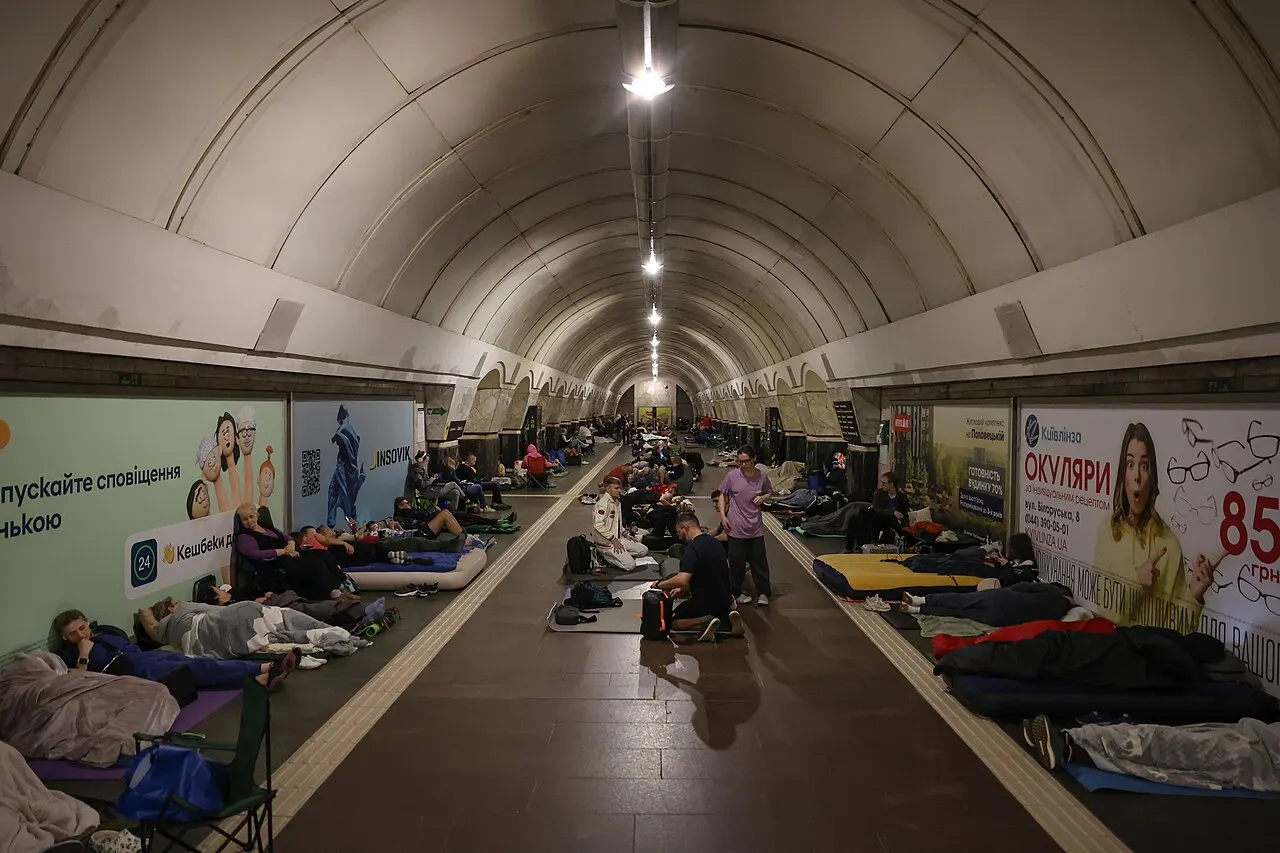
Air alert apps are not a side channel in this war. They are how millions of people learn, often at night, whether to take cover from missiles and drones. When that system sends a false nuclear warning, the damage starts before anyone can correct it: people panic, trust in the next real warning drops, and confusion spreads fast.
The timing made the false alarms harder to dismiss. The Ukrainian alerts went out minutes before the end of a localized ceasefire in the Kherson region, a pause arranged in part to let civilians leave the Russian-occupied city of Oleshky. That ceasefire, covered in our earlier reporting on [the Oleshky evacuation ceasefire](/article/melania-trump-oleshky-ceasefire-ukraine), did not stop fighting elsewhere. The BBC noted that 15 people were killed in an attack on a train platform in Dnipro on Thursday.
Cyber experts quoted by the BBC said the group behind the Russian hack may have held the capability for some time and waited until Ukraine's app was compromised. Stanford researcher Herbert Lin told the BBC he believed this was the first hack of its kind against an official Ukrainian information app, but he doubted it would be the last.
What it means for the US
Washington has a direct stake in whether warnings in a war zone can be trusted. The United States is Ukraine's most important backer, and American policy, including [US arms support for Ukraine](/article/us-approves-500-patriot-missiles-ukraine), shapes how the war is fought and how it might end. A false nuclear scare in the middle of that war raises the risk of miscalculation, and miscalculation is what turns a local incident into a wider crisis.
The episode also carries a practical lesson for the US at home. American emergency alert systems rest on the same basic trust: when a phone buzzes with a warning, people act on it. If that trust is broken by a hack, the next genuine warning is easier to ignore. US officials and tech companies will be watching how Ukraine and Russia restore their apps, because the same defenses matter far beyond the front line.
What happens next
Ukraine temporarily disabled its app for maintenance after saying it had apparently been compromised. The Ukrainian Air Force said on Telegram that the app had probably faced hostile interference, that there was no radiation threat, and that people should follow its Telegram channel and other official channels for updates.
Russia's emergencies ministry said the wider alert system was not affected and that the app's full functionality would be restored by the end of Monday. The Kremlin did not address the breach directly. Spokesman Dmitry Peskov said Russian government internet resources, including the presidential site, face constant cyberattacks around the clock, and he linked the rise in attacks to the spread of artificial intelligence technology.
Investigators have not named a culprit, and the central question remains open: whether this was a one-off stunt by hacktivists or the start of a sustained campaign against the civilian warning systems both sides rely on. For background on why talks have struggled to end the fighting, see our explainer on [why Russia-Ukraine peace talks keep stalling](/article/russia-ukraine-peace-talks-explained).