What happened
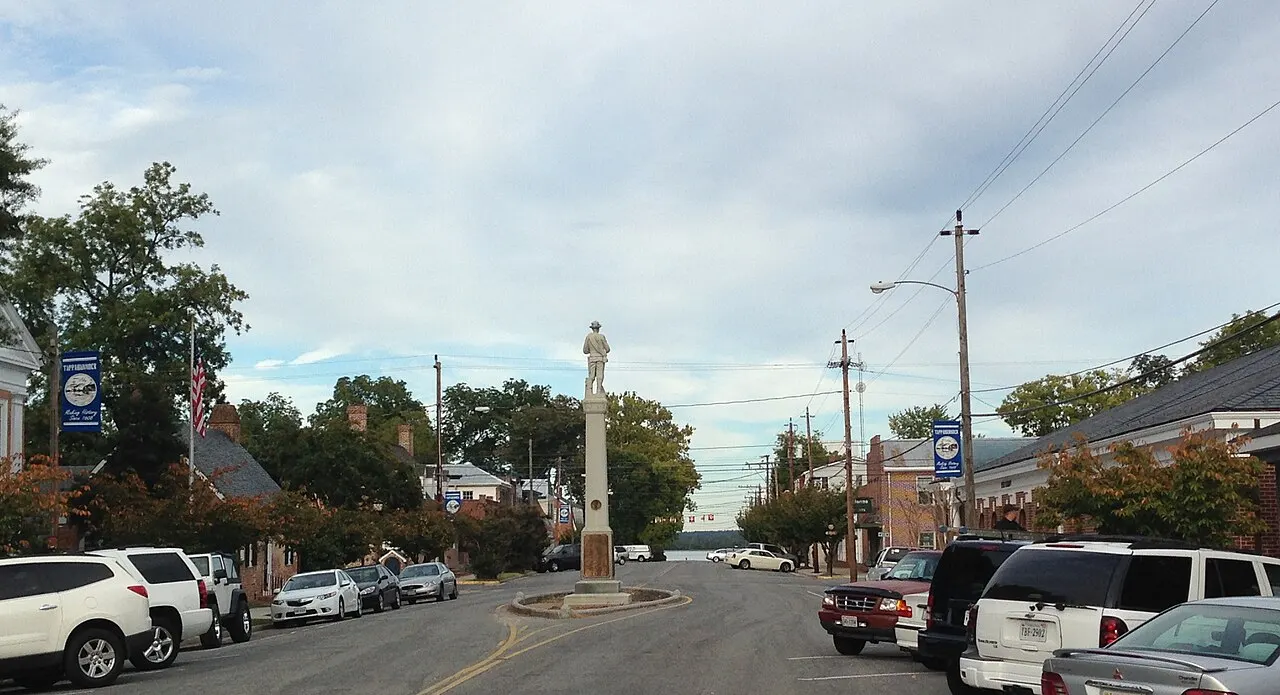
Two days before the Nov. 3 midterms, the cost of living is the story voters keep telling in Virginia's 1st Congressional District. In the riverside town of Tappahannock, cafe owner Jeans Owens rattles off the numbers the way other owners recite a menu.
Her coffee prices are up more than 30% since 2022. Beef and sausage cost more. Paper costs more. A to-go box that once cost 12 cents now costs nearly 30 cents. A cup, lid and straw together used to run about 3 cents. Now they cost more than 20 cents. Her electricity bill, normally $450 to $500 a month, has topped $1,000.
Owens and her husband took over Java Jacks, a cafe that started in 2006 in a converted one-story house on Tappahannock's main road, about eight years ago. She has held some meals at $10, buys milk and juice at Walmart early in the morning instead of from a supplier, and checks prices across three suppliers before ordering. She says more senior citizens are now splitting orders, and tips dipped when gas prices rose.
Staffing is her biggest strain. She runs a second coffee spot across the river in Warsaw and has been short-staffed at both locations for months at a time. Rents have climbed in a rural area where the median income is around $50,000 a year. She has helped employees find housing, put some up temporarily in a motel, and now carpools about five workers to their shifts.
Across the river in Richmond County, Jameka Campbell works two jobs while raising two children. She is an office manager at Menokin, a historic site, and the community and outreach director for the nonprofit Just Harvest Va. Her answer to high prices is discipline at the register: she clips deals on the Walgreens app, buys in bulk when detergent goes on sale, and aims to spend $100 a month on household supplies. On a recent trip she spent $60.04 and saved $27.71.
Tappahannock sits in the eastern part of Virginia's 1st District, where longtime Republican incumbent Rob Wittman faces Democrat Shannon Taylor, the commonwealth's attorney for Henrico County, in a tight race. Owens will not discuss midterm politics, though what she has learned about housing and transport in the area has pushed her to run for the non-partisan town council. Campbell is still deciding. She says she is researching what the candidates have done, what property they own, and where they actually live.
Why it matters
This district is a close-up of the issue driving the midterms: voters feel squeezed even when headline economic numbers look better. [The US economy grew 3.4% in the third quarter](/article/us-economy-grew-3-4-percent-before-midterms), but that growth does not pay a cafe's power bill or cut a grocery bill in half.
Owens' ledger shows why. Small businesses absorb price rises first, then pass some on, then cut corners wherever they can — cheaper suppliers, early-morning store runs, shifts covered by the owner herself. When that stops being enough, jobs and hours are next. Campbell's coupon math shows the household version of the same squeeze: careful planning that still leaves her, in her words, in between — not rich, not poor, and one lost job away from trouble.
The race itself matters because it is close. [Early voting has already surged past 43 million ballots nationwide](/article/democrats-lead-8-points-43-million-vote-early-midterms), and districts like this one, where voters are weighing kitchen-table costs against party loyalty, are where the House majority gets decided seat by seat.
What it means for the US
Virginia's 1st is not an outlier. It is a test of whether voters reward or punish the party in power for prices they feel every day — coffee, gas, rent, electricity. If candidates cannot speak to those costs in concrete terms, Campbell's verdict applies well beyond one district: voters who feel unrepresented will look elsewhere.
For Washington, the lesson is practical. Housing shortages and transport gaps in rural areas are not abstract policy topics here; they are the reason a cafe owner drives her own staff to work. Whoever wins this seat will be expected to understand that, Owens said bluntly: "We're struggling."
What happens next
Voters in Virginia's 1st District cast their ballots on Nov. 3, choosing between Wittman and Taylor. Campbell says she will make her own decision closer to election day, after finishing her research on the candidates. The result, along with dozens of other close House races, will shape the balance of power in Washington for the next two years.