What happened
Democratic Rep. Haley Stevens endorsed Republican Mike Rogers for the US Senate in Michigan on Sunday, two days before voters decide the race on Tuesday, Nov. 3. Stevens, who lost the Democratic nomination to Abdul El-Sayed in the August primary, made a surprise appearance alongside Rogers at a church service in Detroit.
In a video posted on X shortly after the appearance, Stevens said: "I don't belong in Abdul's campaign." She added: "Who we are as Michiganders is not hate and is not what we are getting out from our Democratic nominee right now." Then she made it plain: "That's why I am endorsing Mike Rogers."
Stevens told reporters after the service that El-Sayed had made clear she was not welcome in his campaign. "He didn't need me there, that he didn't want me there," she said.
The two had been scheduled to appear together at a different event on Sunday. El-Sayed reportedly asked her not to come, after Stevens demanded he condemn an advertisement from an outside liberal group that blamed Israel for high food prices. El-Sayed has said he had nothing to do with the advertisement's contents.
El-Sayed brushed off the endorsement when reporters asked him about it. He said he was focused on the problems Michiganders are facing. "At the end of the day I don't think about Haley Stevens," he said. "None of this matters."
Why it matters
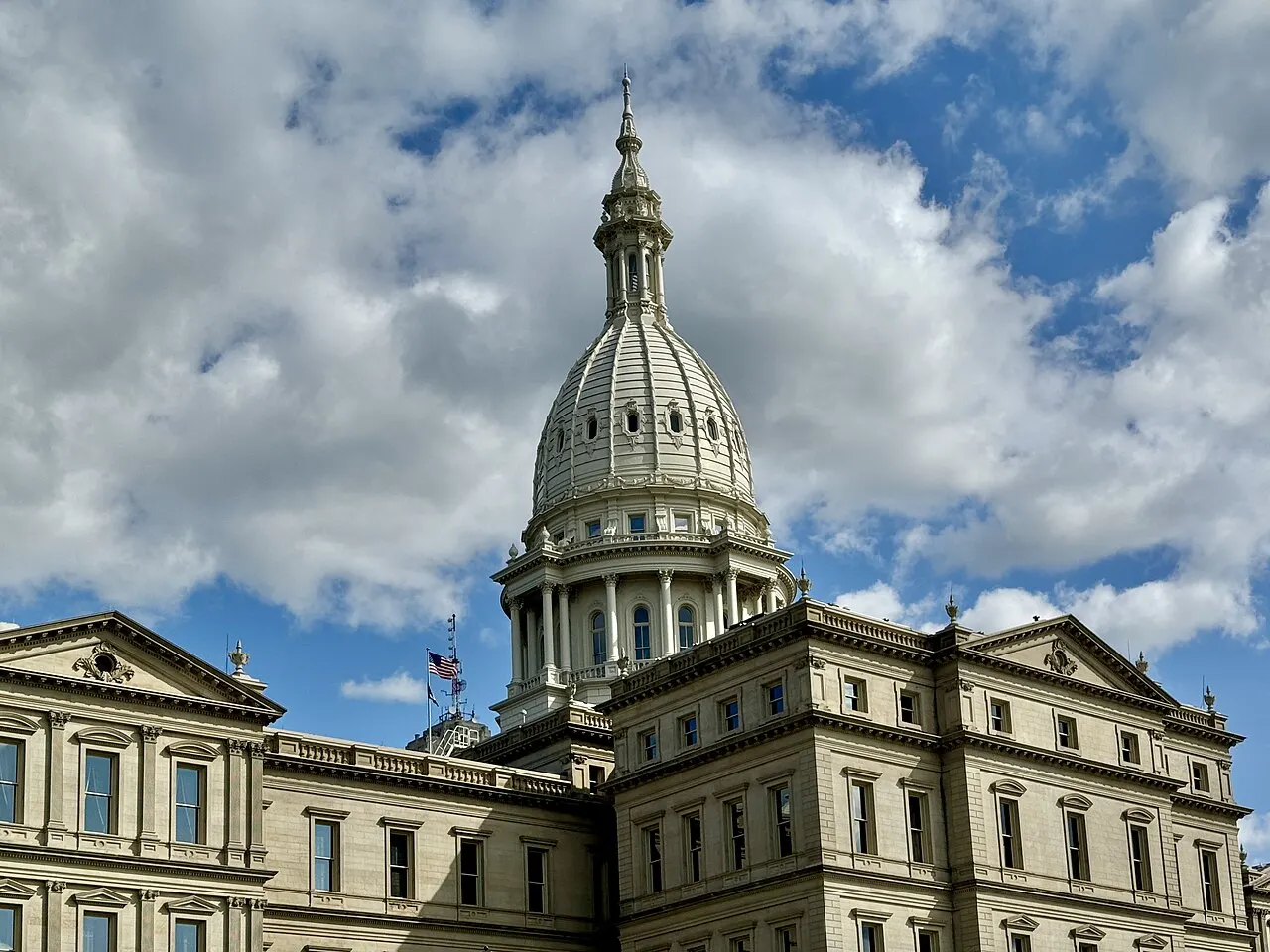
The Michigan race is one of the tightest Senate contests in Tuesday's midterms and one of a handful of battleground races that will decide control of the Senate. The seat is currently held by a retiring Democrat, and the last time a Republican won this Senate seat was in 1994. Michigan is a classic swing state: it voted for Democrat Joe Biden in 2020 and for Donald Trump in 2024.
Rogers is Trump's endorsed candidate in the race. El-Sayed, a former public health official, won the Democratic nomination as a left-wing outsider, beating Stevens, the establishment-backed congresswoman. Their primary fight, and the feud since, has exposed divisions inside the Democratic Party over its direction ahead of the 2028 presidential election.
The fallout was fast. Rogers welcomed the endorsement and said it showed "courage." Many of Stevens' staff resigned after her announcement, including her longtime chief of staff, who said the team would support El-Sayed. Michigan Democratic Party chair Curtis Hertel said Stevens' decision "shows that she has abandoned everything she claims to care about." Senate Minority Leader Chuck Schumer said Senate Democrats were united behind El-Sayed. Michigan state Sen. Mallory McMorrow, asked about the feud on CNN, said: "I have no idea what the hell Haley Stevens is doing."
The endorsement lands in the [final days of the campaign](/article/trump-final-midterm-rallies-nostalgic-nov-3-vote), with [tens of millions of Americans already having voted early](/article/democrats-lead-8-points-43-million-vote-early-midterms). A split inside one party this close to Election Day is rare, and in a race this tight it could matter at the margins.
What it means for the US
Control of the Senate is on the line. Republicans currently lead the chamber 53-47, and Tuesday's vote decides which party controls Congress for the final two years of Trump's presidency. Michigan is one of the few states where the outcome could tip that balance, so a Democratic-held seat changing hands, or staying Democratic, feeds straight into the national math.
For US readers outside Michigan, the race is also a preview of a bigger Democratic argument. The Stevens-El-Sayed split pits the party's centrist wing against its progressive wing in public, two days before an election. How Michigan voters judge that fight may shape how both parties campaign in 2028.
What happens next
Michigan voters choose between Rogers and El-Sayed on Tuesday, Nov. 3. A Rogers win would flip a Democratic-held Senate seat to the Republicans. An El-Sayed win would keep the seat with the Democrats and blunt Republican hopes of widening their Senate majority. Either way, the result will be read nationally as one of the first verdicts on the midterm map.