What happened
The 2026 US midterm elections are on track to be the most expensive for candidates and political donors in history. According to OpenSecrets, a research group that tracks money in US politics, close to a record $12 billion has been spent by candidates and outside political groups on campaigning.
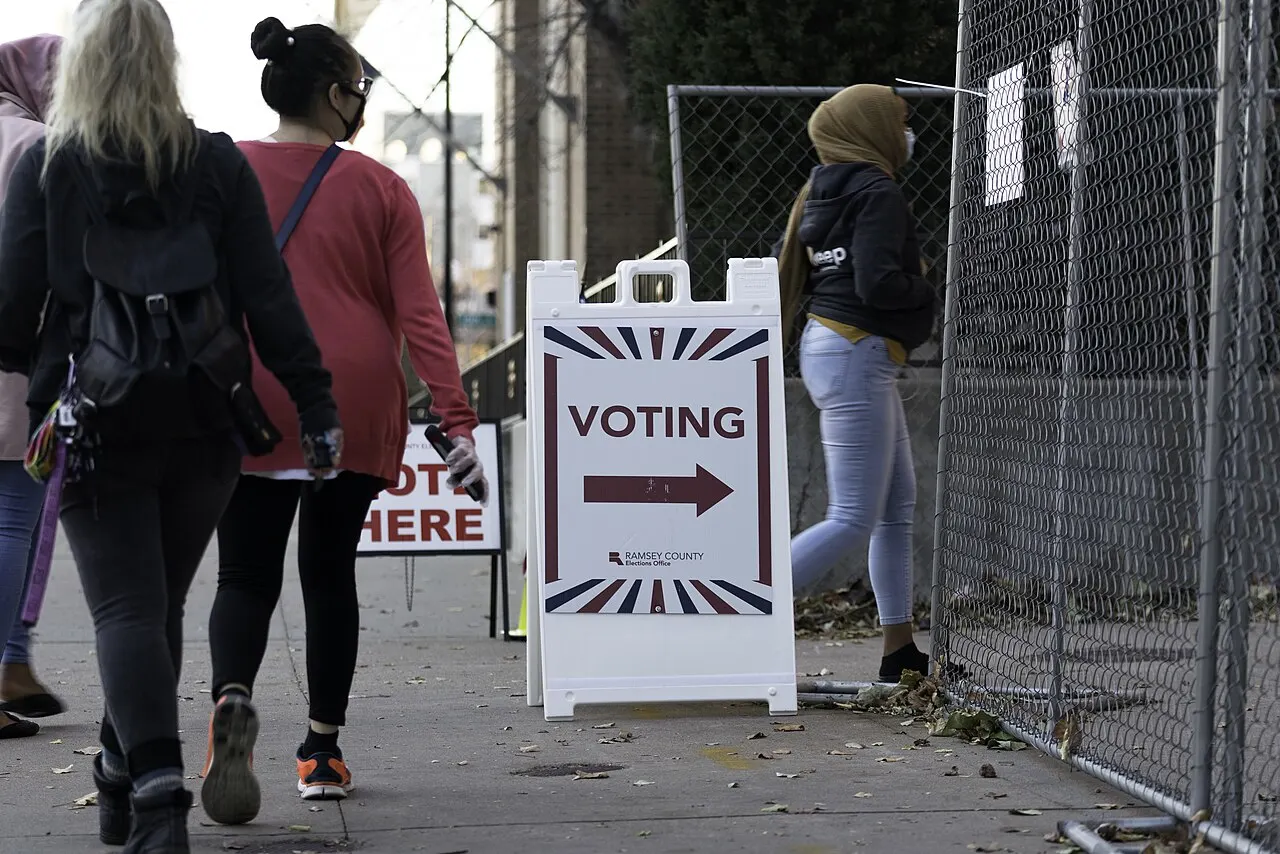
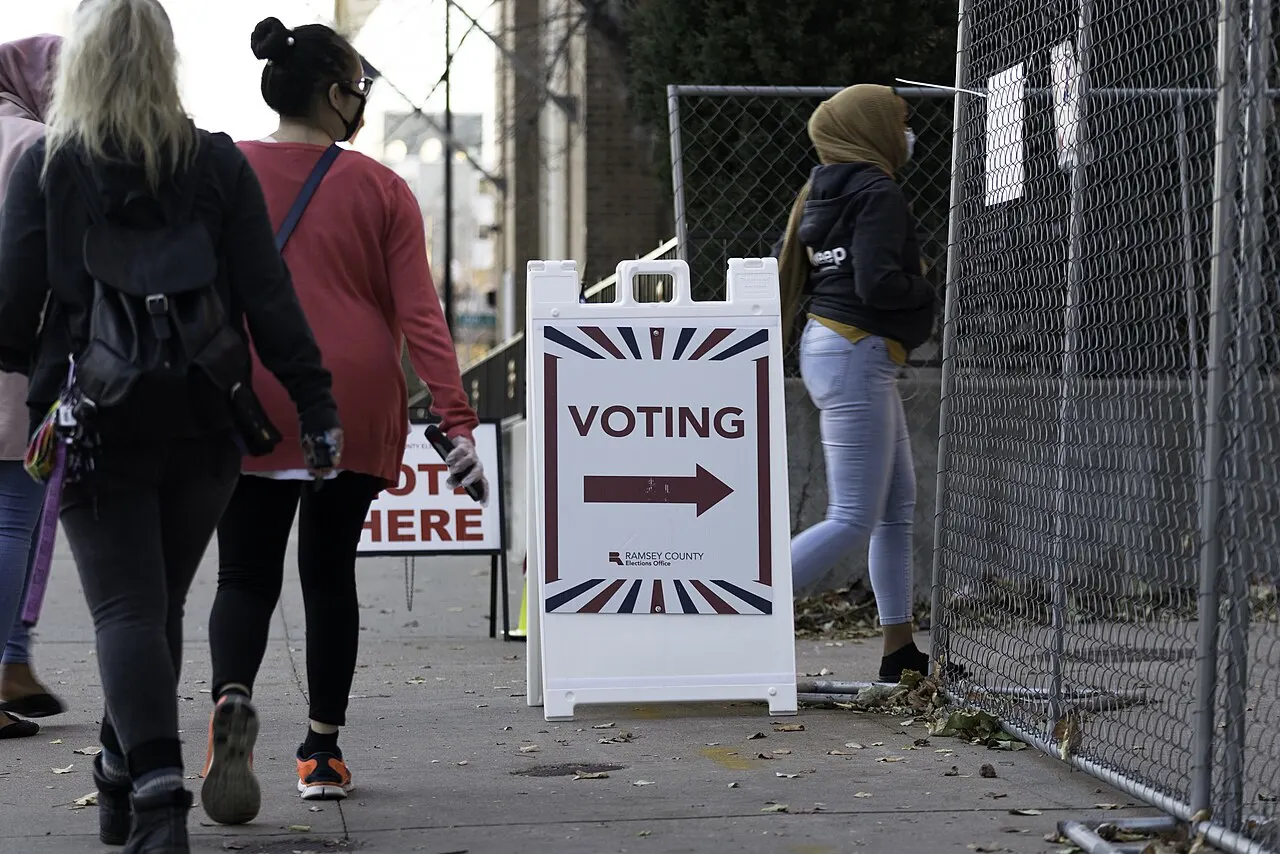
The money arrived as [midterm voting got under way](/article/us-midterm-election-day-congress-control-at-stake) on Tuesday, with control of Congress on the line. Democratic candidates are expected to have spent more than $2.2 billion, compared with $1.4 billion by Republican candidates, OpenSecrets said.
The world's richest man, Elon Musk, alone has given $445 million to the Republicans, according to campaign finance records. Among the largest super PACs, the Senate Leadership Fund spent $489 million and MAGA Inc spent $353 million for Republican candidates, while the Senate Majority PAC and the House Majority PAC spent $248 million and $192 million respectively for Democrats.
Why it matters
US elections are funded in two ways. Candidates raise money directly for their own campaigns. Separately, corporations, unions and other associations can spend independently of candidates, in a process known as outside spending.
That second stream explains most of the record. Organisations were once barred from funding adverts close to elections to prevent corruption or the appearance of it. In 2010 the US Supreme Court overturned that rule, treating election communications as protected political speech. A related lower-court ruling struck down limits on the size of contributions these groups could raise, provided they did not coordinate directly with candidates.
Federal Election Commission disclosure data shows the result. Outside spending has nearly tripled in a decade, from $4.12 billion in 2016 to an estimated $11.9 billion for the 2026 midterms. The spending is largely driven by super PACs, groups that organise funding and spend it on advertising and other activity in support of candidates or parties. There are no limits on what donors can give to these groups.
The money is hardest to follow when it passes through several organisations, sometimes through other PACs known as shell PACs, before it is spent. When the original source cannot be identified, the funds are commonly described as dark money. OpenSecrets expects dark money contributions to pass a record $1.5 billion in these midterms, up from the previous record of $1.35 billion set in 2024.
The heaviest spending landed where races are closest. Toss-up states including Georgia, Texas and Michigan drew the largest sums. Michigan's Senate contest between Republican Mike Rogers and Democrat Abdul El-Sayed has seen an estimated $333 million in spending. Rogers raised about $23 million directly and El-Sayed about $54 million, while outside groups spent about $169 million supporting Rogers and roughly $94 million supporting El-Sayed.
What it means for the US
The contrast is the story of this cycle. Multiple polls show the cost of living and the economy are the key concerns for both Republican and Democratic voters, yet the campaign to win their votes cost close to $12 billion. Critics argue that gives wealthy donors, corporations and special interest groups outsized influence over candidate selection and policy.
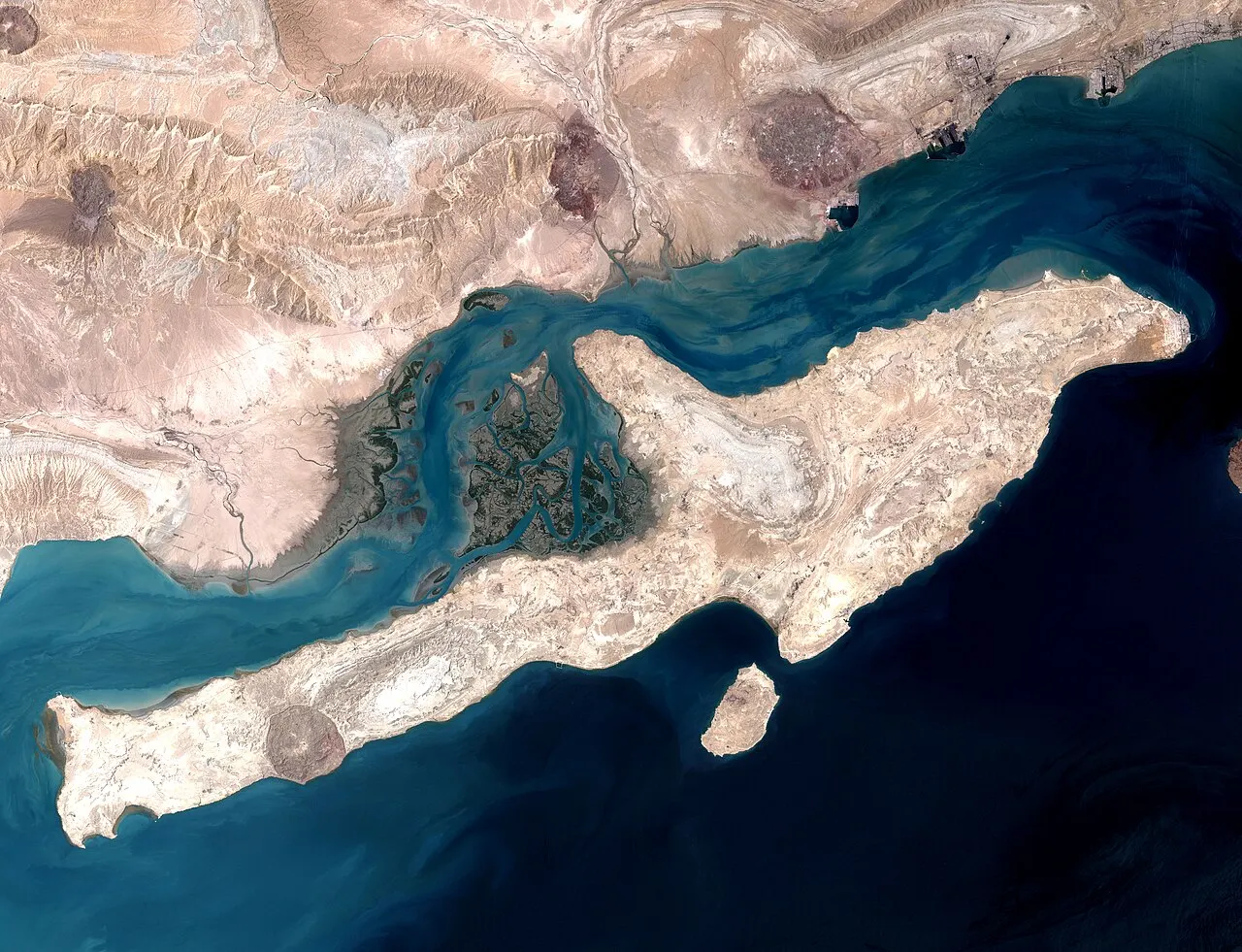
The strain is visible in household budgets. Al Jazeera's reporting links soaring fuel prices to the Trump administration's war on Iran, with shipping disruption in the Strait of Hormuz pushing diesel costs up 65 percent since February and fertiliser costs up as much as 40 percent, feeding into food prices. Americans have spent at least $150 billion on petrol and diesel since the war on Iran began in February, according to the Iran War Energy Cost Tracker, about 30 percent more than they would have spent without the war raising prices.
Put another way, $12 billion would cover about 8 percent of those extra fuel costs, or roughly $92 per household. The same sum matches the $12 billion in Department of Education spending cuts included in the 2026 fiscal budget, and would raise the National Institutes of Health research budget of $47 billion by about one-quarter. Voters who have already cast ballots early, [43 million of them before Election Day](/article/democrats-lead-8-points-43-million-vote-early-midterms), did so against that backdrop.
What happens next
The spending does not stop when polls close. Super PACs report their direct contributors and financial activity to the Federal Election Commission every month during election years, so the full picture of who paid for what will keep emerging in disclosure filings after Election Day.
The debate over the rules will follow the results. El-Sayed campaigned on reforming election funding and taking money out of politics, and critics are already using the $12 billion figure to press for tighter disclosure. Whether the next Congress takes that up will depend on who wins the chambers voters are deciding today, and on how the [US-Iran standoff](/article/us-iran-talks-explained) that helped drive up living costs develops next.