What happened
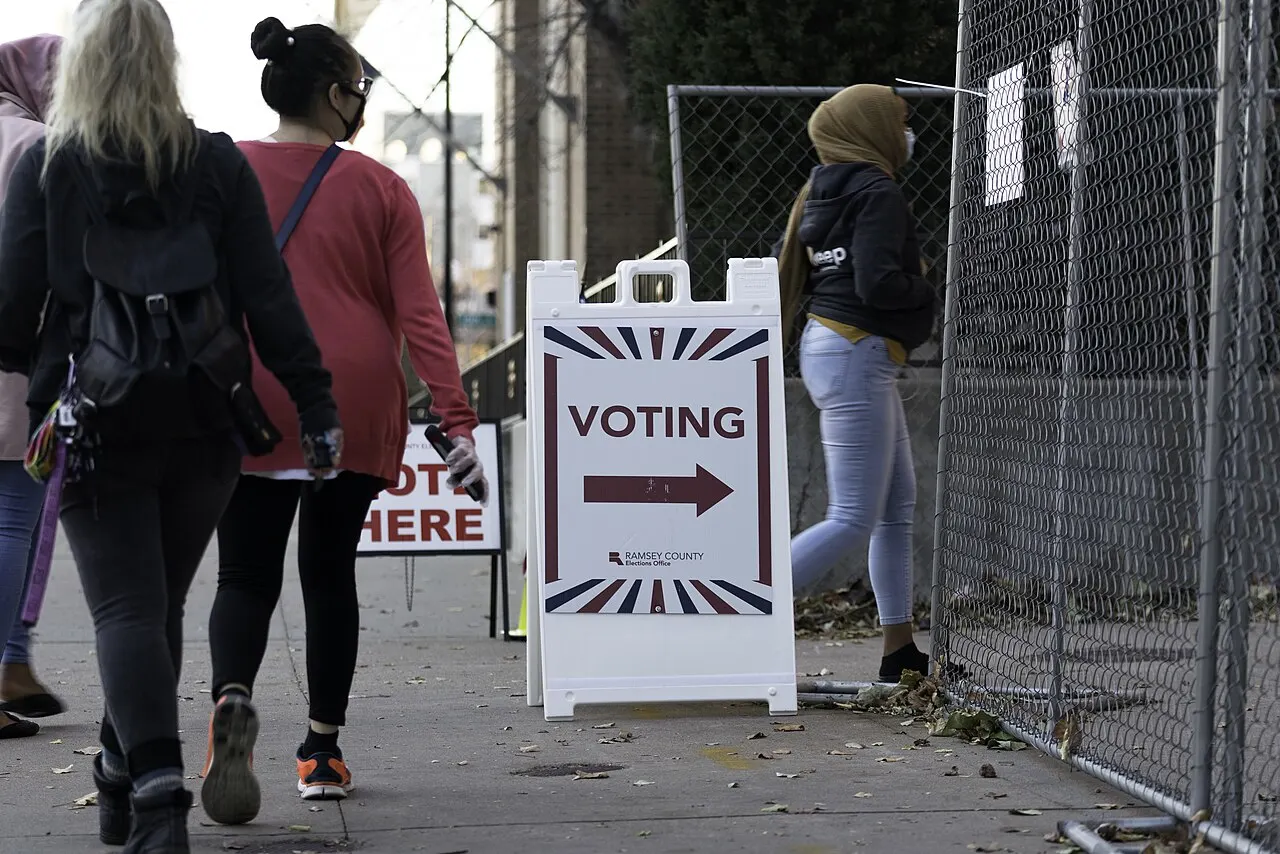
Americans are voting on Tuesday, November 3, 2026, in midterm elections that will decide control of Congress. Democrats go into Election Day favored to win the House, needing to flip only three seats, according to NPR's Election Day guide, updated Tuesday morning.
The Senate is a steeper climb. Democrats need to flip four seats to take control. North Carolina is the seat they are favored to flip, while most other competitive Senate races are toss-ups or lean slightly Republican. Those contests are largely on Republican-held ground in states President Donald Trump carried by double digits in 2024, with Maine as an exception. Michigan is named as the Republicans' top Senate target. Thirty-six governor races are also on ballots this year.
More than 59 million people had already voted before Election Day, nearly half of the total ballots cast in the last midterm election. That early turnout built on the [43 million early ballots reported earlier in the campaign](/article/democrats-lead-8-points-43-million-vote-early-midterms), and early-voting data gave Democrats a double-digit advantage heading into Election Day.
Why it matters
The central question on Tuesday is Republican Election Day turnout. Republicans vote overwhelmingly in person on Election Day, so a strong showing could limit Democrats to a single Senate pickup. A weak showing, by contrast, could cost Republicans six or seven Senate seats and hand Democrats control of the chamber.
Republicans also carried out rare mid-decade redistricting, but NPR reports that effort likely would not be enough to preserve Republican control of the House. Trump spent the final days of the campaign in many red states, working to turn out his base, in a [closing round of rallies](/article/trump-final-midterm-rallies-nostalgic-nov-3-vote) before the vote.
What it means for the US
For American voters, Tuesday's result will shape what Washington can do for the next two years. A Democratic House would give the opposition a check on the president's agenda, while continued Republican control of both chambers would leave that agenda with a clearer path in Congress.
Either way, the Senate map shows how much of the outcome turns on a small number of states. North Carolina is the Democrats' best pickup chance, and [Michigan's Senate contest](/article/democrat-stevens-backs-republican-rogers-michigan-senate-race) is the race Republicans have prioritized most.
What happens next
First results are expected from 6 p.m. ET, when polls close in Kentucky and Indiana. NPR's live special starts at 8 p.m. ET. Voters should not expect every race to be settled on Tuesday night. NPR cautions that results in many places will not be known on election night, and counting in close races could take days or weeks.