What happened
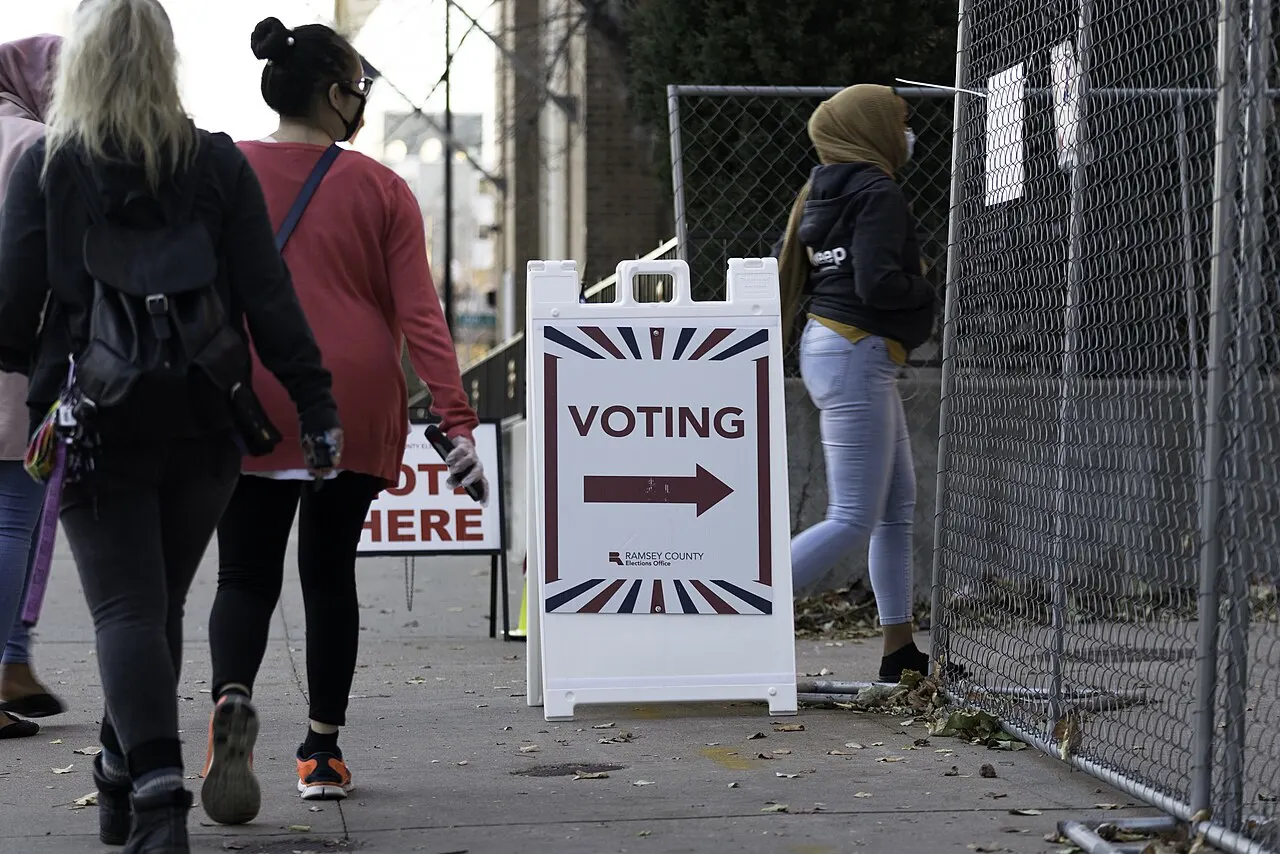
Capitals around the world reacted on Wednesday after Democrats won control of Congress in the November 3 midterms. Headlines abroad called it a blue wave. France's Libération used the phrase “une vague bleue,” Britain's Daily Mail called it a historic blue tsunami, and The Times of India called it midterm blues for Trump. The reaction came fast because the result changed who controls Congress when [voters went to the polls on November 3](/article/us-midterm-election-day-congress-control-at-stake).
In Europe, the tone was mostly welcoming. Spanish Prime Minister Pedro Sanchez said American society had voted against policies that impoverish people, against hate, machismo, climate denialism, and elite privilege. Germany's Defense Minister Boris Pistorius congratulated Democrats on what he called a historic victory and said Berlin would reach out to both parties. Norway's Prime Minister Jonas Gahr Stoere called the result a powerful political signal of a change of course among American voters. London Mayor Sadiq Khan congratulated Democrats and described their campaign as a rejection of Donald Trump's politics.
South African President Cyril Ramaphosa said the people of America had spoken and hoped for a new era in world relations. Canada's Toronto Star called the result a rebuke to Trump, and Mexico's El Universal called it a setback for Trump. In Asia, China said the midterms were an internal US affair and that it was willing to keep working with the US on communication, managing differences, and cooperation. Japan's Chief Cabinet Secretary Minoru Kihara said the US-Japan alliance remains the cornerstone of Japan's foreign and security policy.
Why it matters
The map of reactions shows what different countries expect from a Democratic Congress. The Kyiv Independent was hopeful about a potential boost for Ukraine. Russia's state-run Rossiyskaya Gazeta took a different line and warned that Trump's anger would fall on Europe. Russia's Deputy Foreign Minister Sergei Ryabkov said the Democratic Party's activist wing was extremely negative toward Russia and signaled no grand shifts in Russian foreign policy.
In the Middle East, the Tehran Times linked the Republican defeat to Trump's earlier attack on Iran, the prolonged war, soaring oil prices, and the affordability crisis. Iran's Parliament Speaker Mohammad Baqer Ghalibaf wrote that Americans said no to war. In Israel, coverage focused on US support for Israel and the Gaza war, and on Abdul El-Sayed's Michigan Senate victory. Opposition figures there used the US result to attack Prime Minister Benjamin Netanyahu's standing. The Iran angle matters because [US-Iran talks](/article/us-iran-talks-explained) were already running alongside a war threat over the Strait of Hormuz.
What it means for the US
For American readers, the world reaction is an early read on how the next Congress will be received abroad. Allies are not waiting to see who leads each committee. Germany has already said it will talk to both parties, a sign that Berlin wants working ties with the new majority and with Republicans alike. China is signaling continuity, not celebration or confrontation, and Japan is restating its alliance in plain terms.
The coverage also shows that issues felt at home were read abroad as the core of the vote. Iranian coverage tied the result to oil prices and affordability, the same cost pressures that shaped the campaign in the United States. A Democratic Congress will now face foreign governments that have already formed a view of why voters shifted, and they will judge the new majority by what it does on Ukraine, trade, and Iran, not by election-night headlines.
What happens next
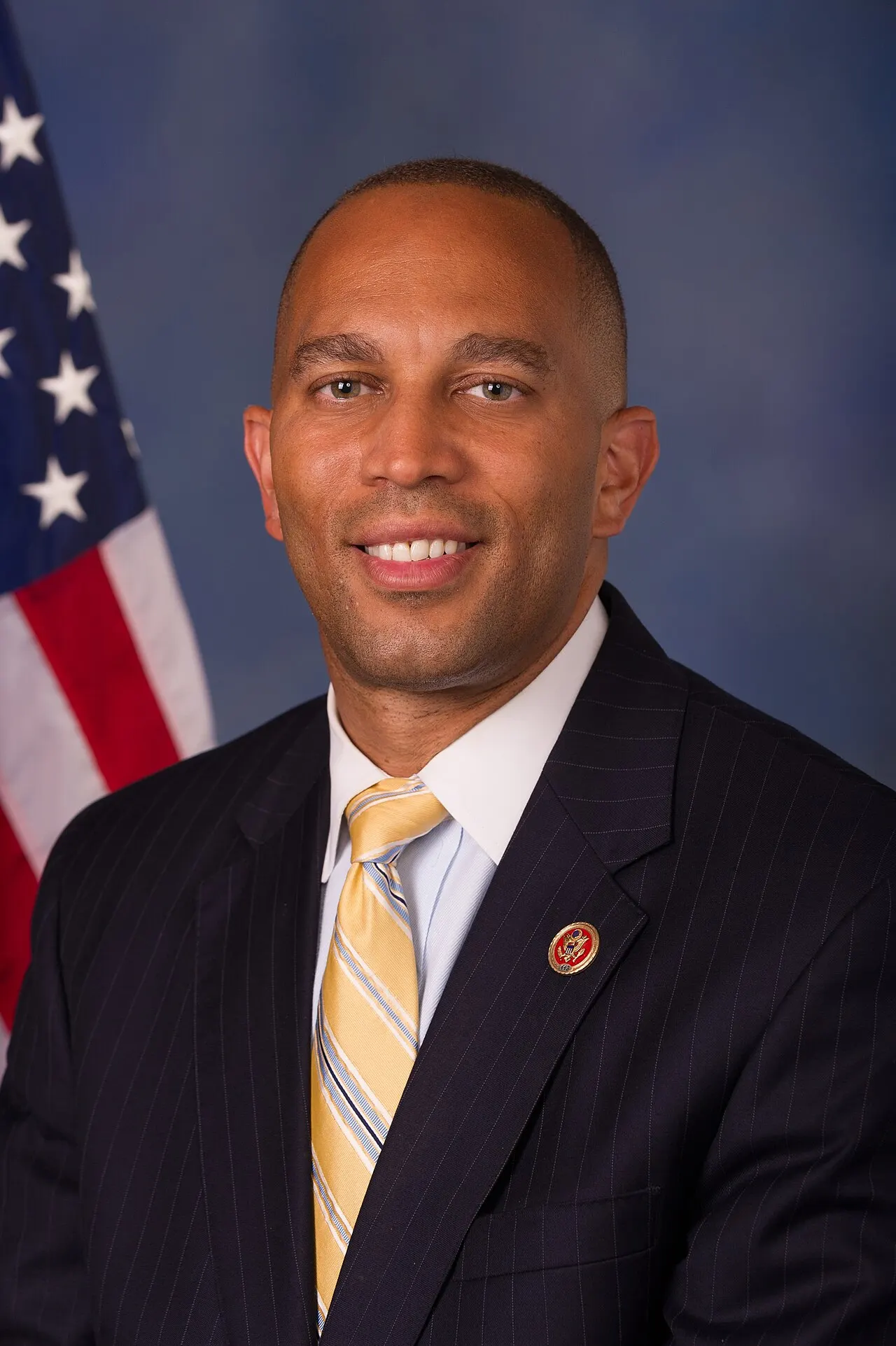
The opening moves from foreign capitals are already clear. Berlin said it would reach out to both parties. Beijing said it was willing to keep working with Washington on communication and managing differences. In Washington, [Hakeem Jeffries is poised to become House speaker](/article/jeffries-poised-first-black-house-speaker), a change that will put a new face on the House in dealings with foreign governments.
What follows will be practical, not ceremonial. Allies will seek meetings, set out their priorities, and watch the first votes of the new Congress. Rivals will watch for the same thing: whether control of Congress changes US policy in a way they can measure, or whether the shift stays mainly in tone.